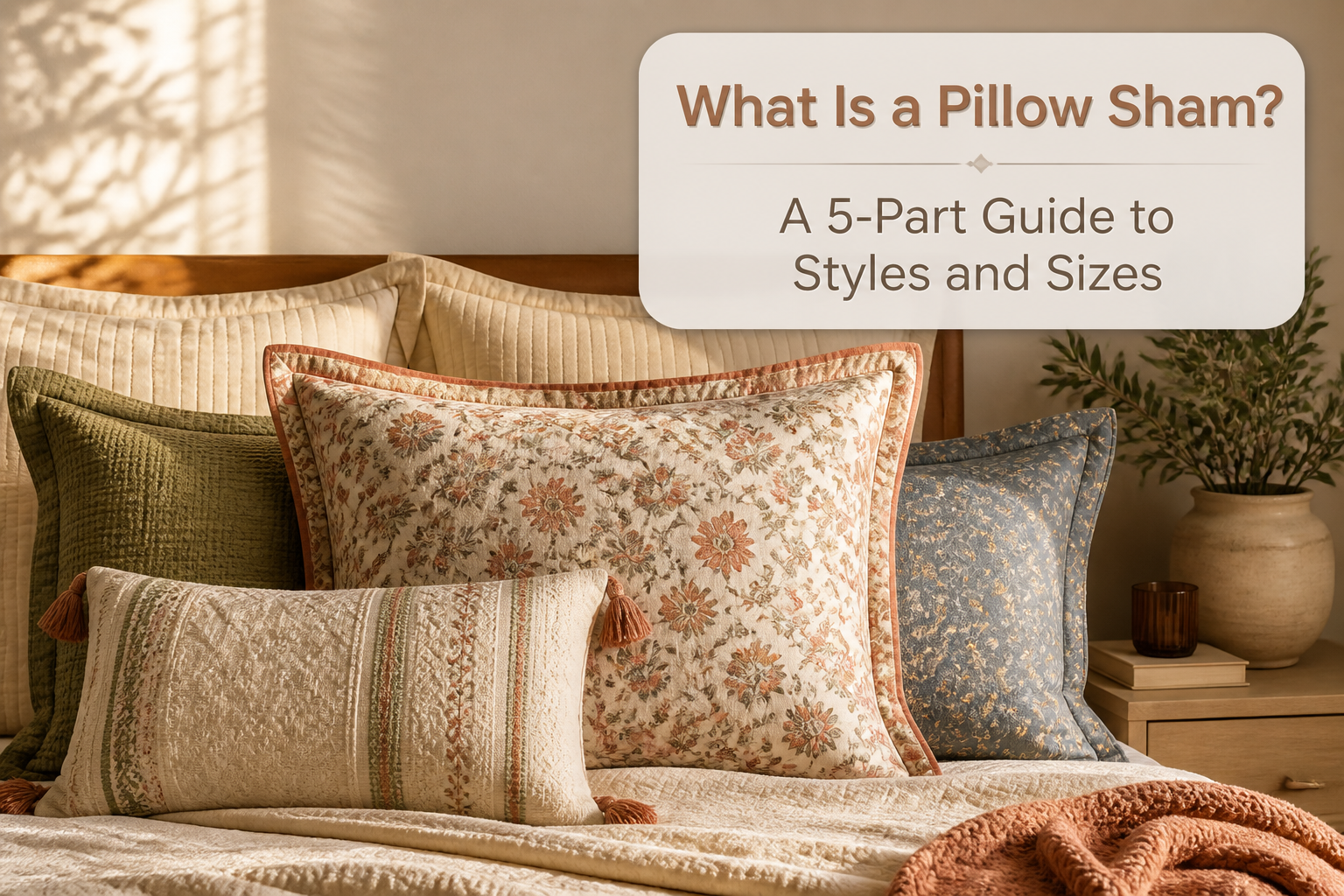
A pillow sham is a decorative cover meant to dress up a bed, not to sleep on. The back closure, either an envelope fold or hidden zipper, keeps the insert out of sight so the front stays clean and framed. That hidden opening also means wrestling the pillow in place, which is fine for something that stays put all day but annoying for anything you flip or wash weekly. The first sham I bought had a two-inch flange around the edges, and I spent twenty minutes wondering why the pillow kept sliding toward the middle.
What Is a Pillow Sham
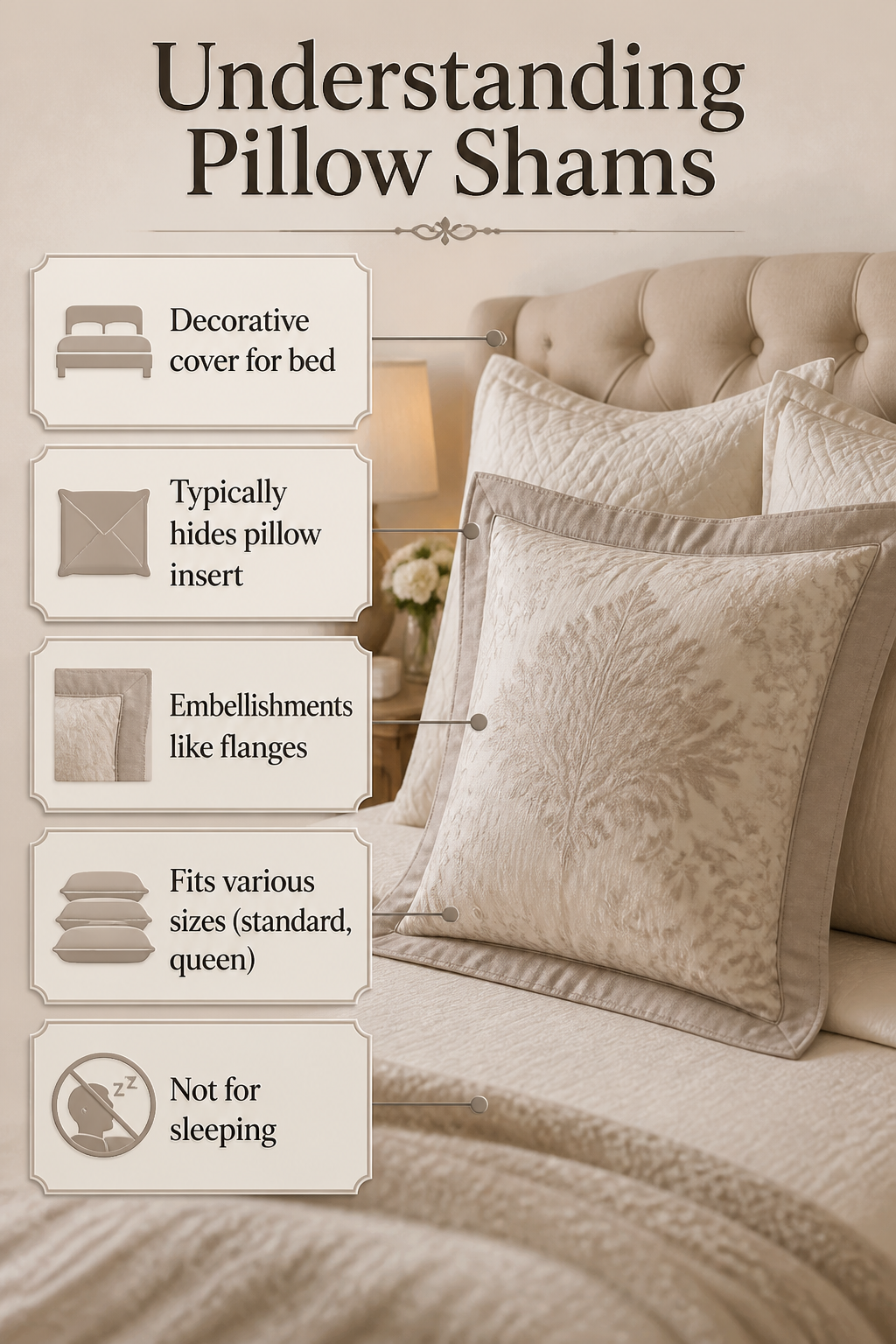
A pillow sham is a decorative cover designed to dress up a bed rather than to sleep on. Unlike the plain cotton pillowcase that matches your sheets, a sham typically features a finished front with embellishments like a flange or tailored border, plus a hidden closure on the back, either an envelope fold or a concealed zipper, so the pillow insert stays completely out of sight.
The sham’s job is visual. You place it in front of your sleeping pillows during the day to give the bed a layered, intentional look, then either remove it at night or push it behind you. The opening sits on the back side so the front stays uninterrupted, and the fit is generally more structured than a standard pillowcase, which is built for easy washing and direct contact with your face.
Sizes follow the familiar bedding scale: standard and queen shams fit standard or queen inserts, king shams fit king pillows, and the square Euro sham, usually placed at the back, adds height and structure to the arrangement. Manufacturers vary slightly on exact dimensions, so checking the specific listing before buying saves the headache of a floppy or overstuffed corner.
Recommended Products

ULTRA-SOFT FEEL: Experience OEKO-certified (24.HCN.19195) pillowcases with double-brushed fabric that's gentle on skin. These pillow cases provide quiet, static-free sleep with soft and plush touch, offering both safety and cozy comfort

Package Include: 2 King pillow cases, 20×36 Inch (exclude pillow)

Soft Brushed Microfiber: These pillow shams are made from smooth brushed microfiber polyester for a comfortable feel and an easy update to everyday bedding.
Pillow Sham vs Pillowcase
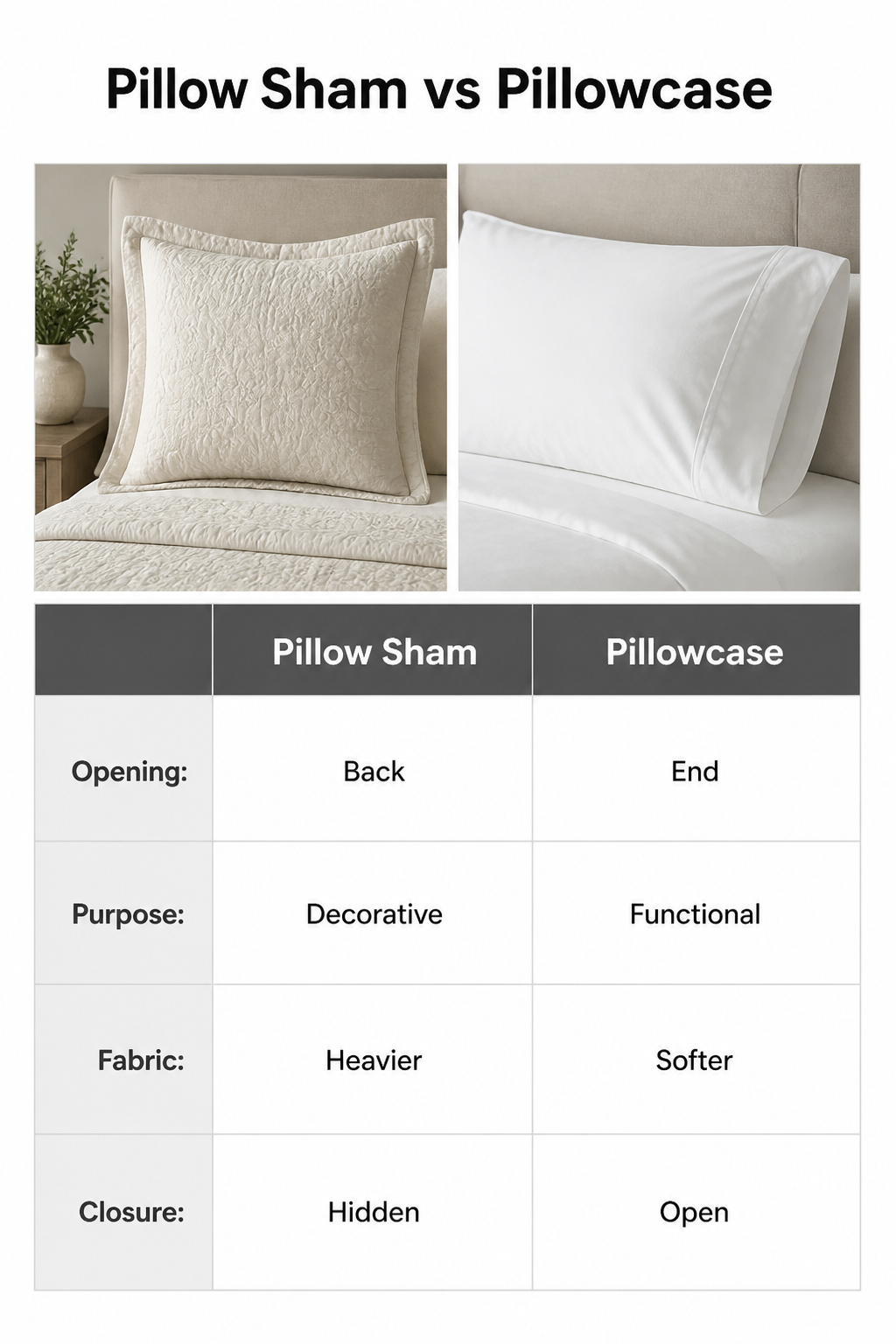
A pillow sham and a pillowcase serve two different jobs on the same bed. The sham hides its opening in the back, usually with an envelope fold or a zipper, so the front stays clean and framed. A pillowcase opens at one end, sometimes with a simple cuff, so you can pull it off fast for washing.
Shams are built for looks. They often carry a flange, embroidery, or a heavier texture like waffle or quilted fabric, and they dress the pillows you prop against the headboard during the day. Pillowcases are made for the pillow you actually sleep on: softer, thinner fabric, usually matching your sheets, designed for breathability and easy laundry.
I learned the difference the hard way when I bought shams for every pillow on my bed and wondered why my face kept hitting stiff jacquard at 2 a.m. Now I keep sleeping pillows in plain cotton cases and save the shams for the layer in front. The back closure on a sham also means wrestling the pillow in, which is fine for something that stays put, but annoying for anything you flip or wash weekly.
Recommended Products

【Premium Natural Material】This 26×26 pillow covers made by 100% cotton.It has been pre-washed with water and dried at high temperature,very breathable and has excellent moisture absorption and won't irritate your skin.

【100% Cotton Fabric】: Duvet cover set made of 100% cotton fabric, that is soft, skin-friendly, breathable, comfortable, durable and lightweight. The cotton duvet cover set get softer after every wash than other fabric, to be used all year. Keeping you warmer in cool weather and cooler when it's hot

100% cotton, better for you of iMaylex pillowcases
Decorative Details and Materials
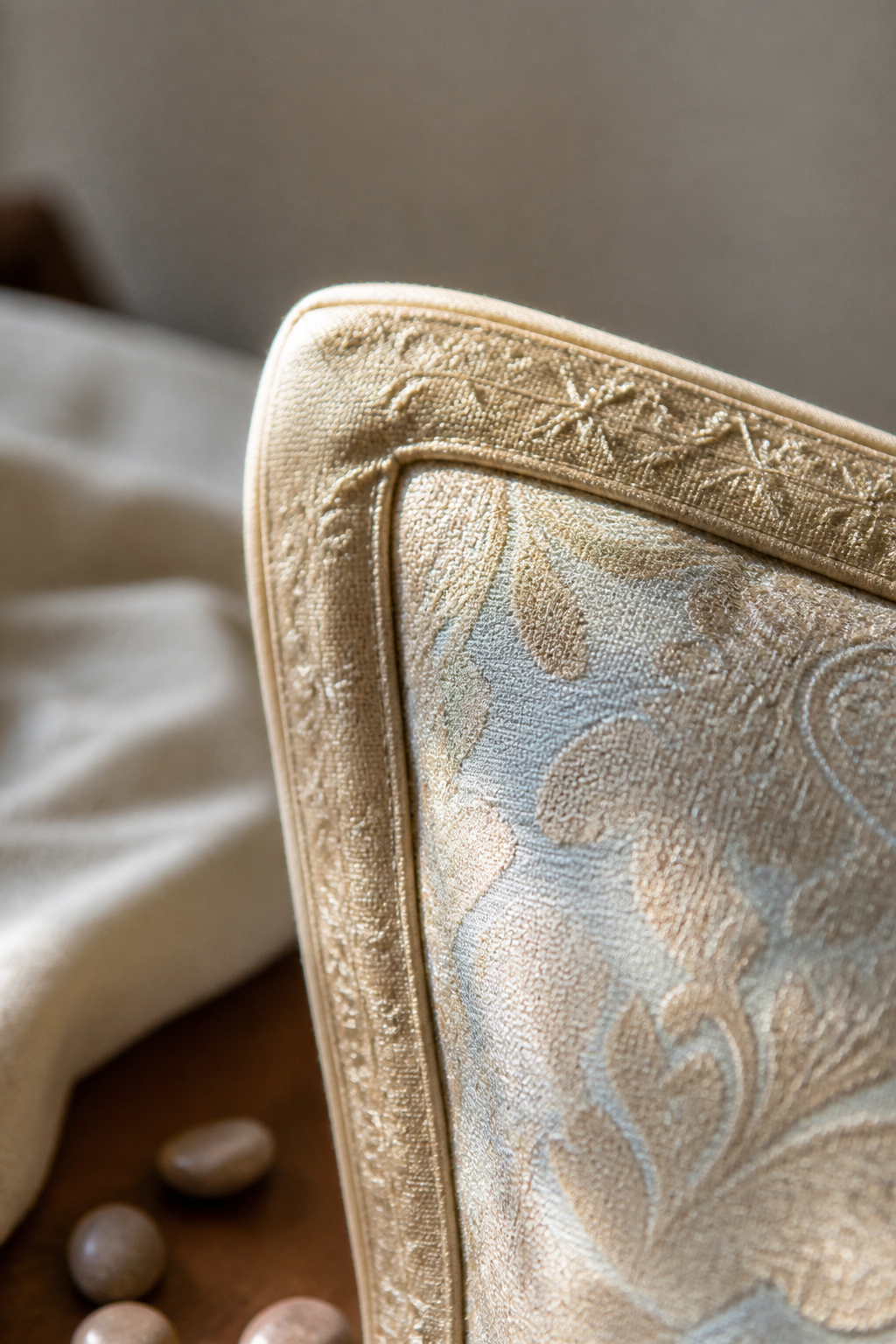
The first sham I ever bought had a two-inch flange around all four edges, and I spent twenty minutes trying to figure out why the pillow inside kept sliding toward the middle. That flange, a flat fabric border extending past the seam, is what signals "decorative" before you even touch the fabric. Shams carry embellishments like embroidery, quilted stitching, piping along the edges, or textured weaves such as jacquard that would feel out of place on a standard pillowcase.
Pillowcases stay simple for a reason. They are built for contact: softer cotton percale or sateen, an open end for quick removal and washing, no ridges or seams that press against your face overnight. The sham’s back closure, often an envelope or hidden zipper, prioritizes a clean front view over the easy swap you want at 11 p.m.
Materials split along that same function-versus-display line. Cotton dominates both categories for durability and breathability, but linen shams bring a deliberate, slightly wrinkled texture that reads as styled rather than slept-on. Silk reads opulent on a sham but impractical for nightly use, and polyester blends or heavier cotton constructions help a sham hold its structured shape propped against a headboard. A pillow sham is a decorative covering for a pillow, typically used for display rather than sleep — the thickness and detailing make that distinction tangible the moment you handle one.
Recommended Products

【Natural Linen Fabric】 Made of grade ramie linen and cotton Natural linen fabric makes it soft, comfortable, and breathable—good workmanship, tightly sewn
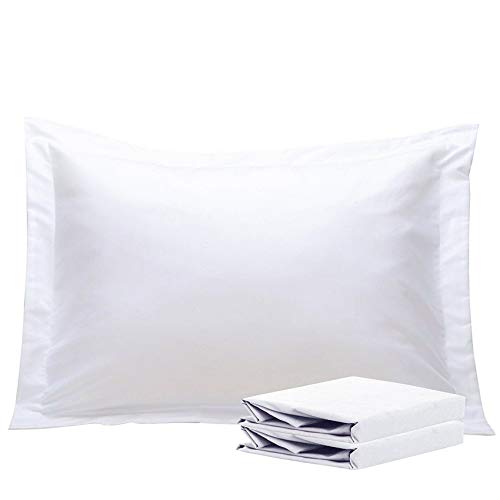
Soft Brushed Microfiber: These pillow shams are made from smooth brushed microfiber polyester for a comfortable feel and an easy update to everyday bedding.

ULTRA SOFT COMFORT: Crafted from premium 100 GSM fabric and finished with our signature brushing process for exceptional softness and everyday durability.
Pillow Sham Sizes
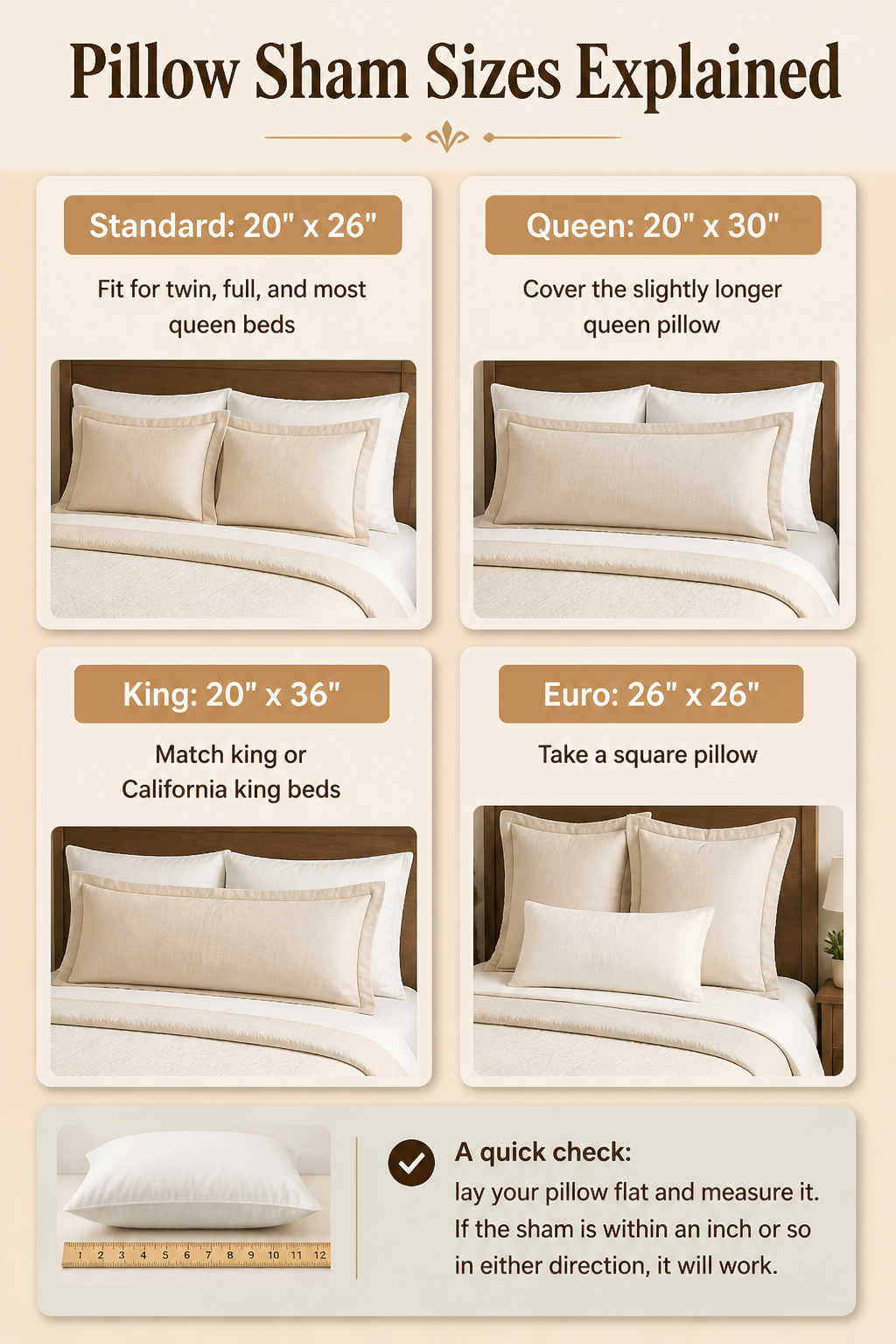
Pillow sham sizes line up with the pillow they are meant to cover, and picking the right match keeps the bed from looking either sloppy or stretched tight.
-
Standard shams measure 20" x 26" and fit the pillows used on twin, full, and most queen beds. Two across a full bed fill the width neatly; on a queen, they leave a little breathing room that I actually prefer.
-
Queen shams measure 20" x 30" and cover the slightly longer queen pillow. Not every bedding set includes this size, so check before you buy if you want a consistent row.
-
King shams measure 20" x 36" and match king or California king beds. Some makers size these a touch roomier, around 21.75" x 37.75", which lets the pillow loft fully without bunching the corners.
-
Euro shams measure 26" x 26" and take a square pillow. I use these behind the sleeping pillows to add height and a layered look, especially when the bed is made.
A quick check: lay your pillow flat and measure it. If the sham is within an inch or so in either direction, it will work.
Recommended Products

Fit with Crisp 2-Inch Flange: Specifically tailored for 24×24 inch euro pillow inserts, these euro sham covers deliver a snug, structured fit. The 2-inch wide decorative flange offers a crisp, tailored silhouette, adding an instantly refined hotel-style touch to your bedroom or living space.
【Natural Linen Fabric】 Made of grade 30% linen and 70% cotton Natural linen cotton fabric makes it soft, comfortable, and breathable—good workmanship, tightly sewn. Color may be different in different light or on different screen

Soft and comfortable: Our pillowcases are made of ultra-fine fibers, with comfortable and breathable fabric that is soft and skin friendly. Good stitching and exquisite craftsmanship can also reduce loose threads.
Styling Pillow Shams on the Bed

Stacking shams flat against the mattress, largest at the bottom, builds depth without crowding the bed. Layering them behind sleeping pillows, Euro shams upright against the headboard first, keeps the arrangement functional for daily use. An asymmetrical placement, heavier on one side or mixed in size and shape, reads as intentional rather than messy in contemporary spaces.
The middle layer is where shams earn their place. Sleeping pillows handle the work; decorative pillows get the spotlight. Shams bridge the two, and matching their fabric to the duvet cover, or picking up a shared pattern, ties the whole bed together. A smooth cotton sham against a nubby linen throw adds texture without extra color. A bold patterned sham against a plain duvet does the opposite work.
The common mistake is treating every pillow as equal. Similar sizes and competing patterns flatten the look. A quiet linen sham, a tonal square, and one textured lumbar pillow beats a crowded scramble of unrelated prints.
Recommended Products

CLASSIC STYLING: One of our most popular collection, the Mills Waffle collection is a timeless traditional, an instant classic. Perfect with the Mills quilt set, these euro shams also layer with almost any bedding collection really completing the look of your bedroom and adding that extra layer of luxury and comfort that you look for in a euro sham.

Exquisite Waffle Weave Design: Classic yet stylish waffle weave design features three-dimensional, puffy and elegant appearance, brings casual sophistication and create a soothing retreat. Available in various colors, these pillow shams perfectly complement any home décor. Just decorate your comfortable pillows with our waffle weave pillowcase covers

Luxurious Waffle Design: Indulge in the allure of luxury with PHF pillow shams featuring a magnificent 3D waffle design. The 3D waffle weaving as the highlight, transforms each fluffy dot waffle into a work of art. This unique design brings an air of sophistication and refinement to your bedroom. For those who desire a lavish aesthetic, this pillowcase is an outstanding choice. It offers the same luxurious feel while being a more budget – friendly alternative.
Can You Sleep on a Pillow Sham
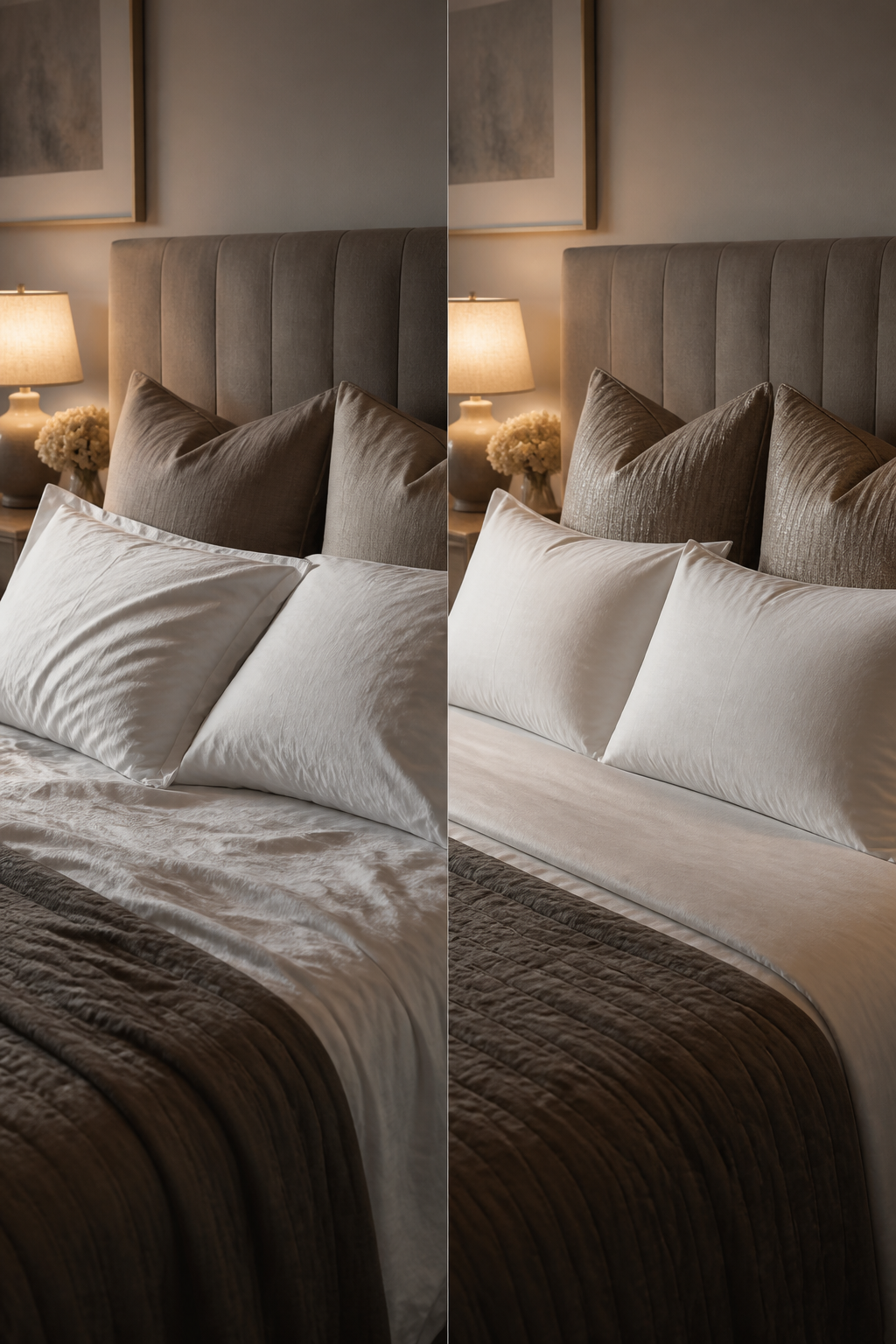
You can sleep on a pillow sham, but you probably won’t want to. The fabric is usually thicker and more textured than a standard pillowcase, and that decorative flange around the edge tends to bunch up against your face or fold awkwardly under your head. Some shams also have zippers or overlapping back closures that can feel stiff against your skin through the night.
I keep shams on the second set of pillows, the ones that only see the bed when it’s made. At night they go behind my sleeping pillows, which adds a little padding between my head and the headboard. Others just lift them off entirely and set them aside. Either way keeps skin oils and hair product off the decorative fabric, so the sham stays presentable longer without frequent washing.
A standard pillowcase is the better choice for actual sleep. It’s thinner, more breathable, and built to come off easily for regular laundering. The sham’s job is to look finished; let it do that job from a slight distance.
Recommended Products

Good Material: The pillow shams are made of 100% microfiber which is soft, lightweight to make you sleep easily

100% Soft Cotton: Crafted from natural cotton fabric, these pillowcases provide a soft and breathable sleeping surface with a comfortable feel against the skin. The cotton fibers allow airflow to help maintain a comfortable sleeping environment throughout the night.

Soft & Breathable Fabric – Crafted from premium brushed microfiber, these queen-size pillowcases deliver a soft, smooth, and breathable sleeping experience. Ideal for year-round comfort at home, in hotels, hospitals, or guest rooms.
Caring for Different Sham Materials
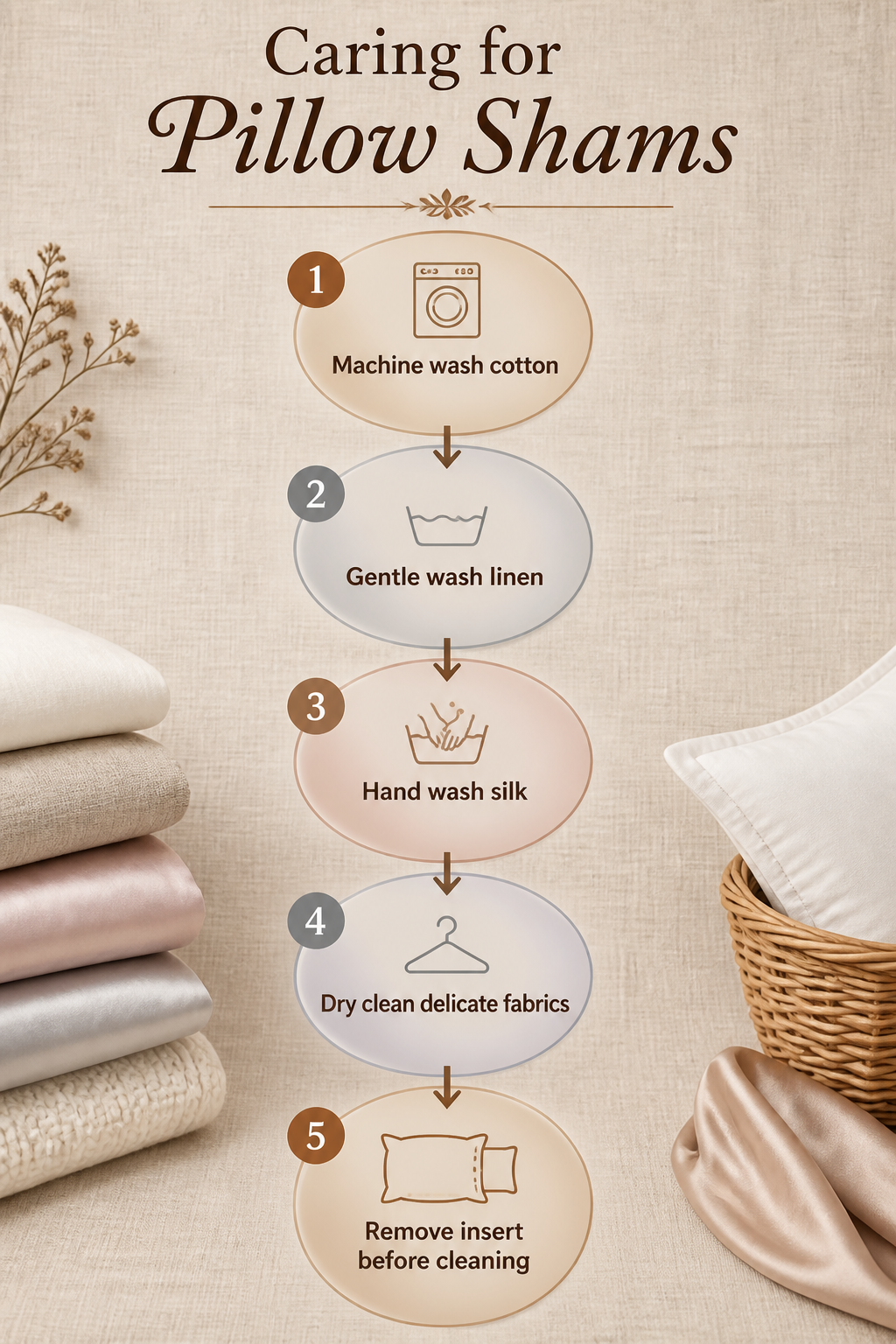
Cotton shams hold up to regular machine washing on a moderate heat cycle with mild detergent, which is why they are the workhorse material in my house. Linen shams need gentler treatment: a delicate cycle and room to move freely in the drum, since the fabric wrinkles badly when overloaded. Silk is where I draw the line and hand things over. Hand wash or dry clean silk shams using cool water between 86 and 104°F with the mildest detergent you have, then dry them away from direct heat or sunlight. Cashmere and satin fall into that same delicate camp, washed by hand in a mesh bag if the machine is unavoidable, and never near a dryer. One habit that has saved me more than once: always pull the insert out first. The cover and filler clean separately, and the sham keeps its shape longer that way.
Recommended Products

Smooth & Breathable Cotton – Made from premium Smooth & Breathable Cotton for an ultra-soft, breathable, and comfortable sleeping experience.
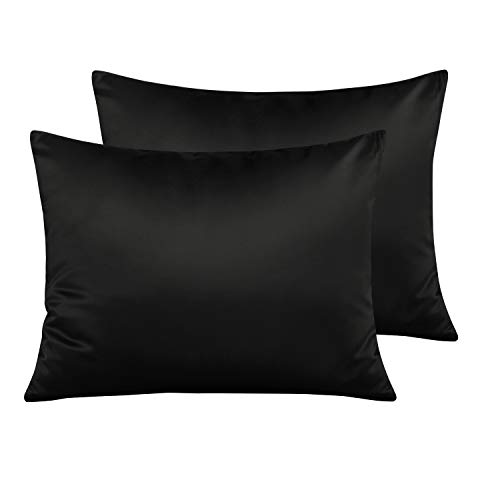
Silky Smooth Satin Fabric: Made from premium polyester microfiber satin fabric, these pillowcases offer a smooth, silky-soft feel that is gentle on skin and comfortable for everyday use. The lightweight fabric provides a breathable sleep experience with easy maintenance.

PRODUCT DIMENSION : King Size: 20" x 36", 2 pack. NO INSERT.
Mixing Shams With Your Bedding
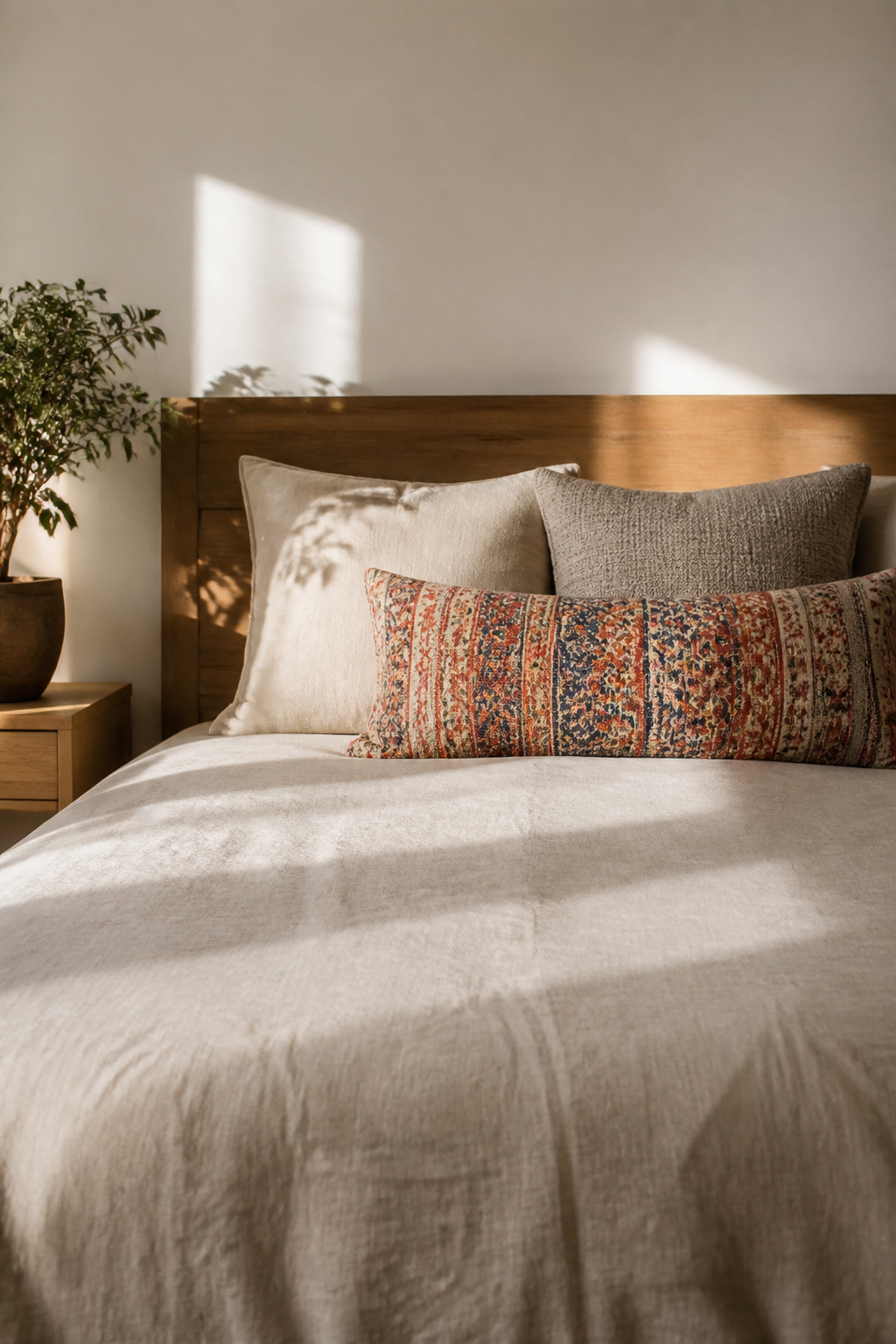
A solid duvet in warm blue or oatmeal linen gives you the cleanest starting point for layering shams. I learned this after buying a patterned quilt first, then hunting for shams that did not fight it. The bed always looked busy. Now I buy the base layer as a single color, then add shams in a texture that reads differently: nubby linen against smooth cotton, or quilted cotton against plain weave.
Keep the total pillow count odd for the same reason a three-candle mantel looks settled while four looks like a store display. Two sleeping pillows plus one lumbar sham, or two euros plus one standard in front. The asymmetry keeps the eye moving instead of locking into pairs.
Color can match exactly for a hotel look, or stay in the same family with one step lighter or darker. The risk is putting a bold patterned sham against a bold patterned duvet. Unless both share one exact color thread, the bed looks like you grabbed leftovers. When my duvet already carries the pattern, I go neutral on shams and let the texture do the work.
Recommended Products

Contains: Brand New 2 PCs Pillowcases 26" X 20", No Insert or Filler, Solid Colored

Contains: Brand New 2 PCs Pillowcases 26" X 20", No Insert or Filler, Solid Colored

Luxurious Softness & Comfort: Experience cloud-like comfort with these european pillow shams. Crafted from premium microfiber that’s exceptionally soft, breathable, and cool to the touch, they provide a serene sleeping or lounging experience
Frequently Asked Questions
Recommended Products

PILLOW INSERT 26×26:Comes with 2 pieces 26×26 inch pillow inserts with a Cotton Cover, breathable and skin-friendly for daily use.

【Natural Linen Fabric】 Made of grade ramie linen and cotton Natural linen fabric makes it soft, comfortable, and breathable—good workmanship, tightly sewn

100% Cotton,Available in Multiple Different Colors and Designs
What is a pillow sham?
A pillow sham is a decorative cover designed to dress up a bed rather than for sleeping. It features a finished front with details like a flange or tailored border and a hidden closure on the back, either an envelope fold or concealed zipper, so the pillow insert stays out of sight. The sham’s job is visual: you place it in front of your sleeping pillows during the day for a layered, intentional look.
What is the difference between a pillow sham and a pillowcase?
A sham hides its opening in the back with an envelope fold or zipper so the front stays clean and framed, while a pillowcase opens at one end for easy removal and washing. Shams are built for looks with heavier textures and embellishments like flanges or embroidery; pillowcases are softer, thinner, and made for the pillow you actually sleep on. The back closure on a sham also means wrestling the pillow in, which is fine for something that stays put but annoying for anything you flip or wash weekly.
Can you sleep on a pillow sham?
You can, but you probably won’t want to. The fabric is usually thicker and more textured than a standard pillowcase, and the decorative flange tends to bunch up against your face or fold awkwardly under your head. Some shams also have zippers or overlapping back closures that can feel stiff against your skin through the night. Most people either push shams behind their sleeping pillows at night or remove them entirely.
Leave a Reply