Long walls exceeding 20 feet in width present a design challenge in approximately 68% of suburban homes built after 1990, yet most homeowners default to inadequate solutions.
You are about to encounter three architecturally grounded strategies that change expansive vertical planes into cohesive spatial elements: vertical sectioning through molding systems, calibrated focal anchoring, and layered depth modulation.
Each technique carries precise dimensional parameters and material specifications that separate professional-grade outcomes from amateur arrangements.
The first method demands your immediate attention, because it fundamentally alters how the wall registers in your visual field.
Dress Up a Long Wall With Vertical Molding or Trim
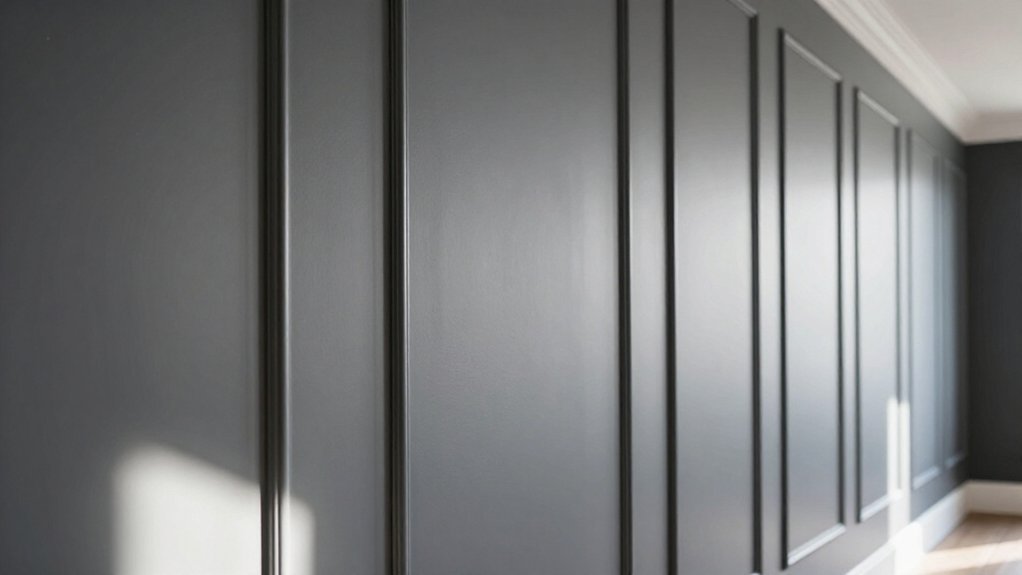
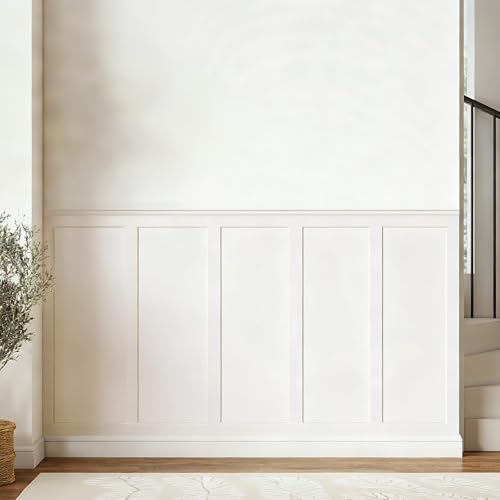
Change a flat, uninterrupted wall plane into a composition of articulated sections by installing vertical molding or trim, an approach that introduces movement, light-catching depth, and architectural rhythm where monotony once dominated.
You divide the wall into sections using vertical molding to break its expanse into manageable visual units. Consider picture frame molding or paneling; these wall treatments create framed cavities for art placement, establishing built-in structure along the length. Fluted-style columns, formed with joint compound, add sculptural presence and draw the eye vertically, particularly effective where ceiling heights exceed nine feet.
Board-and-batten or wainscoting paneling offers lower-commitment alternatives that add appeal while preserving flexibility for future artwork changes. Finish trim in tonal paint or varied sheen so it reads as intentional architecture, not applied decoration.
Recommended Products
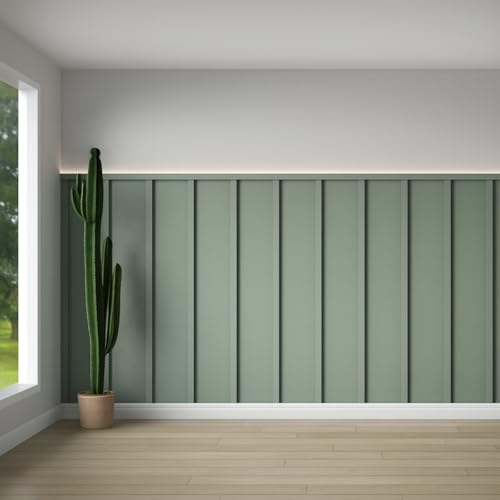
MDF Material: the accent wall kit is made of MDF, which is durable, waterproof, and easy to clean; The surface is smooth and burr-free, and feels comfortable to the touch

Transformative – Art3d pre-cut molding trim adds depth and character to walls, gives traditional elegance with a hint of contemporary refinement

DIY Wall Panel Set: Wall molding kit includes 3 sets of pre-cut flexible wall decorations, each set has 8 pcs, total 24 pcs, can mix and match our different sizes to beautify your walls. Additionally, easily paint the trims in your favorite color(black,gold,blue,pink,green) to match any interior style-modern, farmhouse, vintage
Fill a Long Wall With One Oversized Piece or a Gallery Wall
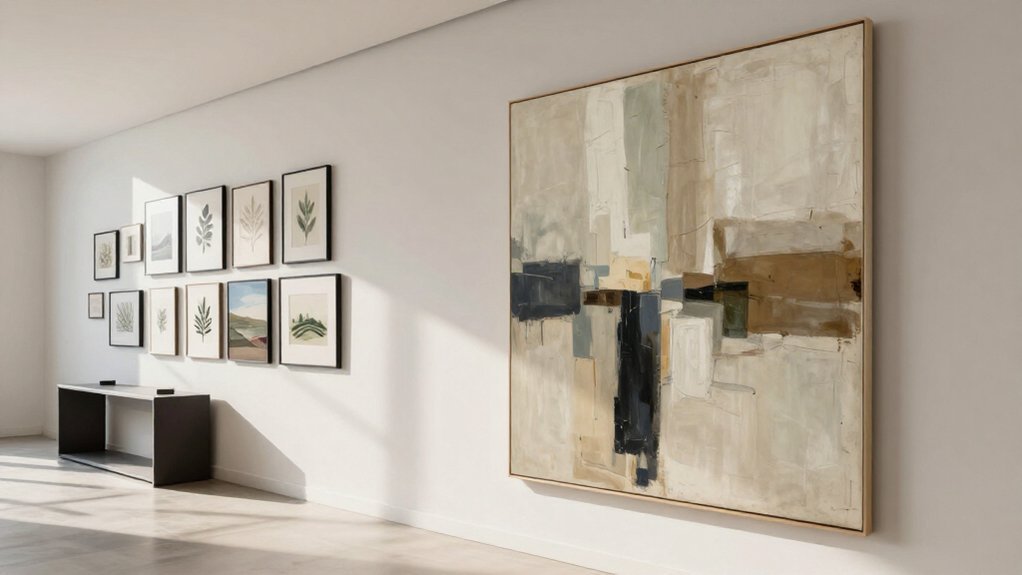
A single commanding focal point or a gallery arrangement offers two viable strategies for addressing extended wall planes, each demanding precise proportional calculations and intentional spatial distribution to avoid visual fragmentation.
One Large Piece
When you select one substantial piece for an oversized wall, ensure it spans 60–75% of the Wall width. This proportion prevents the work from appearing under-scaled or visually adrift. A single Large canvas, mirror, or textile can make a bold statement while simplifying installation.
Gallery Wall
Alternatively, gallery walls occupy the space through rhythmic repetition. Anchor your Gallery Wall in the middle third of the vertical plane. Space frames 3–6 inches apart, employing a consistent grid or cohesive theme. Mix larger anchor pieces with smaller accents, or restrict yourself to fewer, larger pieces if visual clutter concerns arise.
Either approach yields large wall decor that creates space that feels intentional.
Recommended Products
【Coverage】Includes 10 pre-cut wall molding slats and 2 shelf edge strips to create a clean board & batten look. (No peel-and-stick adhesive or nails included)

MDF Material for Lasting Use: this board and batten wall panel kit is made from MDF, offering sturdiness and water resistance; The surface is smooth, providing a comfortable touch for interior wall applications
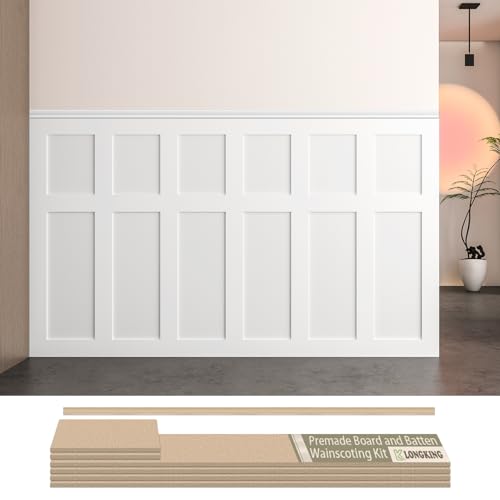
Board and Batten Wainscoting Kit – LONGKING pre-cut MDF wall panel kit is designed for easy DIY installation. Create a stylish accent wall with classic board and batten molding trim, perfect for modern and traditional home décor.
Layer Mirrors, Textiles, and Sconces to Expand the Space
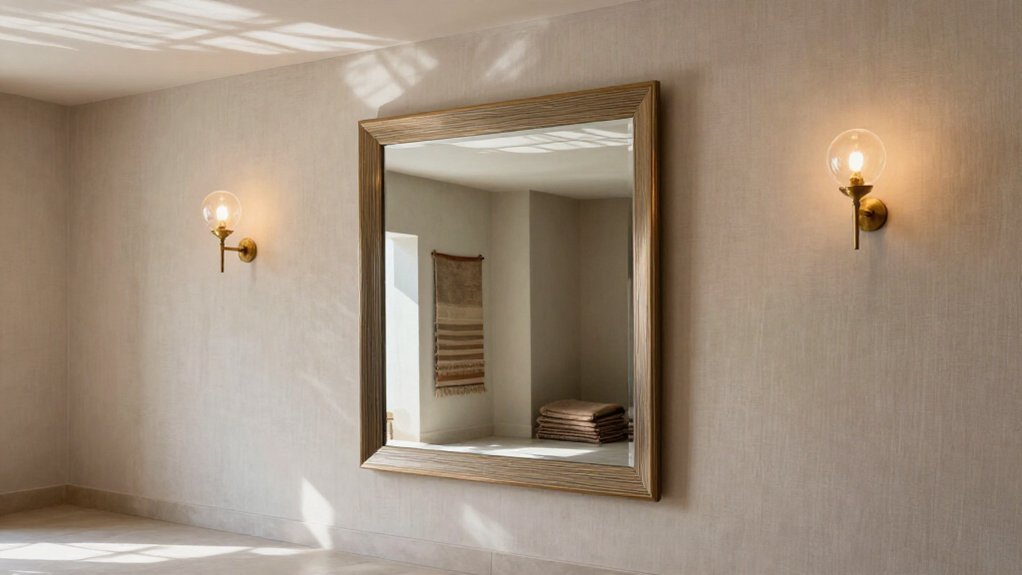
You layer mirrors with textiles to craft dimensional installations. A large mirror reflects receding light; adjacent woven wall pieces soften its glare. You mount wall sconces, ideally flanking sconces, to frame the mirror symmetrically. Align fixtures vertically so reflections cohere rather than fragment. In pass-through zones, you select slim vertical elements, avoiding bulk that impedes circulation.
The mirror becomes your reflective centerpiece; textiles provide tactile counterpoint.
- Mirror placement: Position large mirror to capture and reflect light across the wall plane.
- Textile integration: Hang macramé wall hangings or comparable wall hangings to establish textured wall interest.
- Lighting coordination: Install paired wall sconces as flanking sconces to amplify luminosity and expand the space visually.
Recommended Products

Bold Individual Design: This Graffiti-style mirror draws inspiration from street art, blending unique graffiti patterns and colors to infuse your space with vitality and personality. Perfect for use as a wall mirror or large mirrors for wall decor living room, this mirror brings a creative touch to any space.

(Acrylic material):Mirror full length made of plexiglass, shatterproof mirror,Acrylic mirror bendable, wall mirror will not be damaged if accidentally dropped on the ground,unbreakable mirror not a real glass mirror, mirrors for wall very safe, your kids and pets can play safely

【Oversize Mirror】71"x32" large size mirror full length enough for you to see your full body, expand the visual space of the room, It can provide sufficient light reflection for the room
Leave a Reply