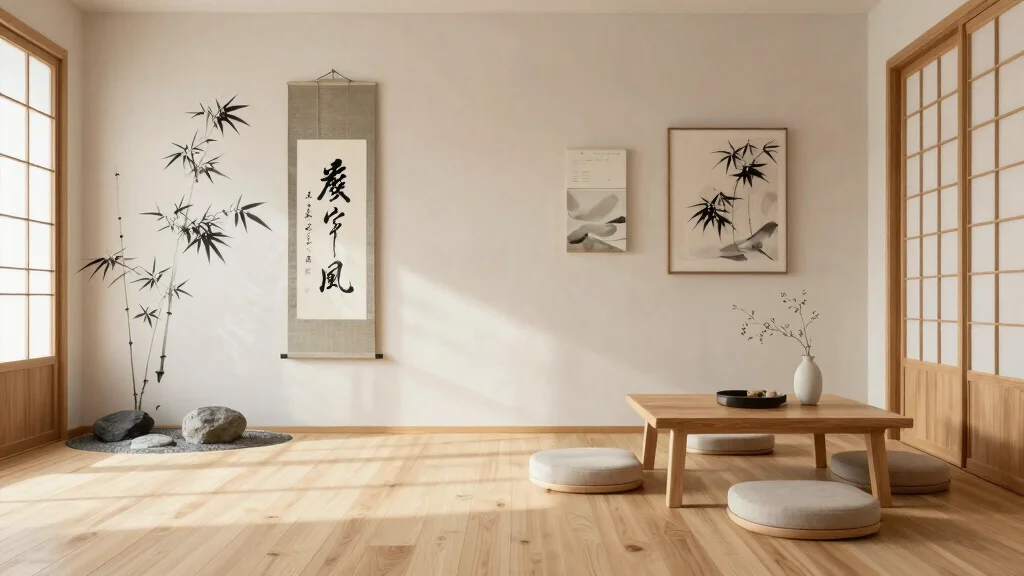
Finding the right wall art can feel like a daunting task, especially if you’re drawn to the serene beauty of Japanese aesthetics. This post was created to help you discover how to bring that simplicity and elegance into your own home. If you’ve ever craved a calm and inviting space, you’ll find inspiration in these ideas that celebrate the charm of minimalist Japanese wall art.
This guide is for anyone who appreciates the clean lines and thoughtful designs of Japanese minimalist decor. Whether you’re looking to refresh your living room, bedroom, or any other space, you’ll find art ideas that resonate with your desire for tranquility. From traditional techniques to contemporary interpretations, these wall art ideas will help you create a harmonious atmosphere that reflects your personal style.
In this post, you will uncover 15 Japanese wall art ideas that are not only aesthetically pleasing but also deeply meaningful. Each idea emphasizes simplicity and brings a touch of zen into your home. So, grab a cup of tea and let’s explore these beautiful art concepts that will transform your walls into a stunning backdrop!
Key Takeaways
– Explore Sumi-e Ink Paintings: These traditional ink paintings capture the essence of nature with simple brush strokes, adding a touch of elegance to your decor.
– Incorporate Japanese Calligraphy: Artful writing can serve as both decoration and inspiration, featuring quotes that resonate with your lifestyle.
– Embrace Nature-Inspired Prints: Using prints that celebrate natural beauty can create a calming atmosphere, connecting your home to the outdoors.
– Consider Fabric Wall Hangings: Soft textiles can introduce warmth and texture, making your space feel cozy while still maintaining a minimalist look.
– Add Zen-Inspired Quotes: Simple yet profound, these quotes can serve as daily reminders and enhance the tranquil vibe of your home.
Recommended Products

A single koi, symbolizing perseverance, courage, and good luck in East Asian culture, is painted in the sumi-e (ink wash) style, with fluid black brushstrokes that capture its essence and movement.

Used Book in Good Condition

Vintage Gallery Wall Art : This neutral-toned, frameless vintage wall art piece infuses home decor with nostalgic charm and elegant style, creating a warm and inviting atmosphere that perfectly complements any interior space. Enjoy the DIY fun of framing it with your favorite picture frame.
1. Sumi-e Ink Paintings
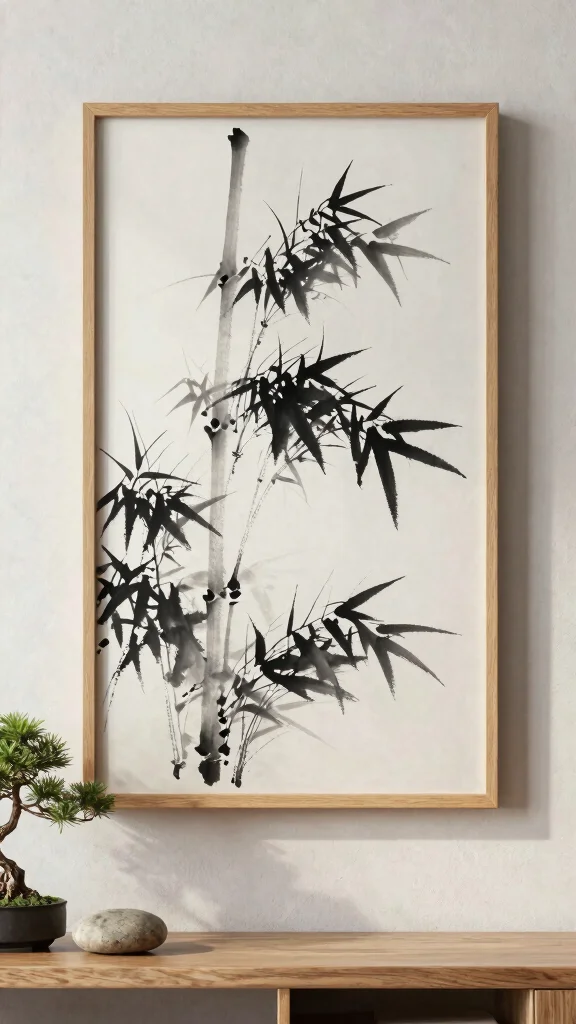
Sumi-e, the traditional Japanese ink wash technique, beautifully embodies the essence of nature through minimal brush strokes. This art form captures serene landscapes, delicate flowers, and graceful animals in rich black ink against white rice paper. The interplay of ink and negative space creates a peaceful ambiance, inviting a sense of calm into your home.
Integrating sumi-e paintings into your décor not only adds cultural depth but also enhances the tranquil atmosphere of your space. Hang a striking piece above a sofa or in a cozy reading corner to establish a calming focal point. Alternatively, a collection of smaller sumi-e works can form a gallery wall showcasing nature’s beauty.
– Choose a simple wooden frame that complements the artwork.
– Position the artwork in a well-lit space to amplify the ink’s richness.
– Incorporate natural elements like bonsai trees or stone sculptures for added zen.
Recommended Products
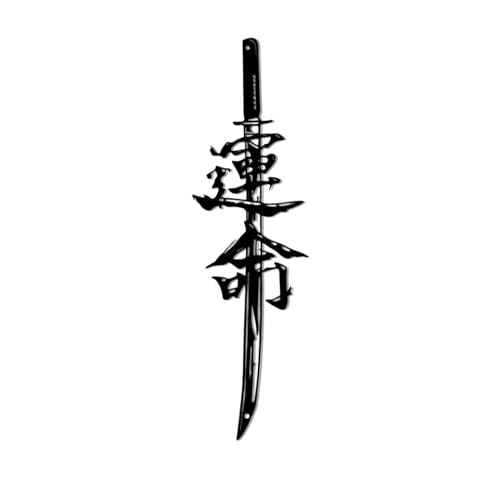
Unique Japanese Aesthetic : lends a samurai sword silhouette with bold "運命" (Fate) calligraphy, creating a striking focal point for oriental, eclectic interiors.

Perfect for Home or Office – A calming, motivational piece ideal for meditation spaces, entryways, or work areas in need of quiet strength.

Master-Level Handwriting: Created by a skilled artist using traditional Chinese ink and brush techniques, ensuring the highest quality and authenticity.
2. Calligraphy Art
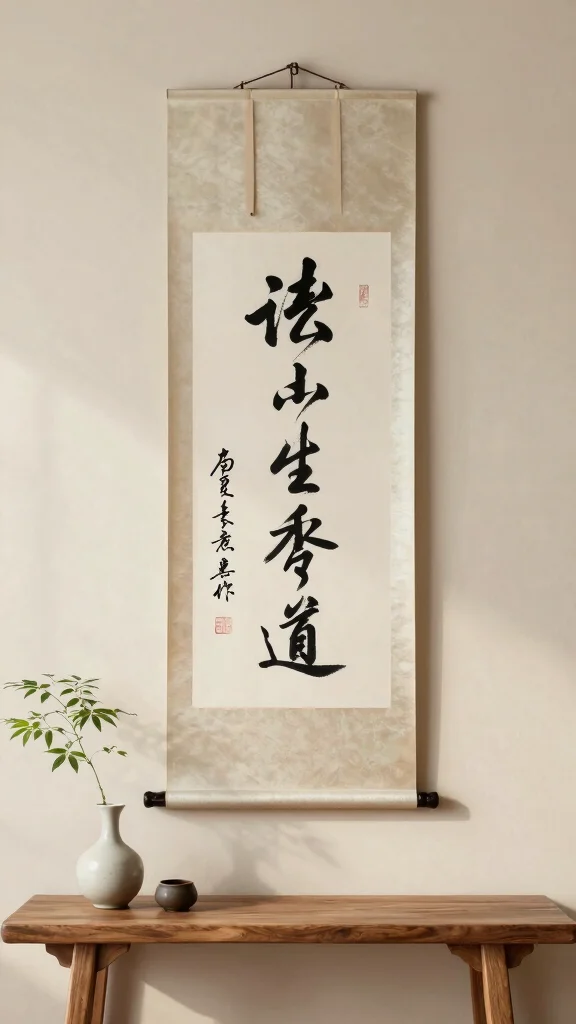
Japanese calligraphy, known as shodō, transforms writing into a stunning art form that celebrates the beauty of characters. Flowing brush strokes create intricate designs that serve as inspiring focal points in your home. Often inscribed with meaningful phrases like ‘tranquility’ or ‘harmony,’ these pieces bring peace and wisdom into your living environment.
To seamlessly include calligraphy in your décor, consider a prominent scroll above a fireplace or as a statement piece in a hallway. For a subtler touch, scatter smaller framed pieces throughout your home for a cohesive look.
– Select phrases that resonate with your values or the ambiance of your space.
– Mix styles of calligraphy to enhance visual interest.
– Pair with minimalist furniture to allow the art to shine.
Recommended Products

Vintage Cranes Flock Wall Art:This Japanese cranes Wall Art is available in Three sizes: 16 x 32 inches (40 x 80 cm)x3 pieces (Framed), 20 x 40 inches (50 x 100 cm) and 24 x 48 inches (60 x 120 cm) x3 pieces (Framed). Please choose the appropriate size to purchase. This frame comes with hooks for easy hanging

Japanese Wall Art: Owl poster, Available in a variety of sizes – 8×10"11×14"12×16"16×24"20×30"24×36" – and in three formats: frameless wood frame and black aluminum frame, offering multiple options to match any decor.

【Vintage Japanese Wall Art】 Framed japanese cranes wall art features elegant cranes standing in harmony against a deep green background, blending japanese wall art, vintage wall art and bird wall art aesthetic. Crane wall art brings calm balance, natural beauty to your home decoration
Key Trade-offs & Our Top Pick
Option 1: Sumi-e Ink Paintings
– Pros:
– Offers a traditional Japanese aesthetic that enhances any space.
– Each piece is unique, adding character to your walls.
– Cons:
– Can be expensive, depending on the artist.
– Requires careful handling to avoid damage.
– Best for: Those seeking authentic and timeless wall art that reflects rich cultural heritage.
Option 2: Calligraphy Art
– Pros:
– Adds a personal touch with meaningful quotes or words.
– Versatile in size and style, fitting various decor themes.
– Cons:
– Some might find it too specific or niche.
– May require special framing to showcase its beauty.
– Best for: Individuals who appreciate the beauty of words and want to inspire others in their home.
Option 3: Nature-Inspired Prints
– Pros:
– Brings the tranquility of nature indoors.
– Available in various styles, from abstract to realistic.
– Cons:
– Might be too common or mainstream for some.
– The quality varies greatly with different printing processes.
– Best for: Those who want to create a calming atmosphere and connect with nature from inside their home.
Option 4: Zen Sand Gardens
– Pros:
– Offers a unique 3D element to your decor.
– Promotes mindfulness and relaxation.
– Cons:
– Not traditional “wall art” and may need a special display method.
– Requires maintenance to keep tidy.
– Best for: Those looking for interactive decor that encourages peace and reflection.
Option 5: Paper Art Creations
– Pros:
– Lightweight and easy to hang in various spaces.
– Often very affordable and widely available.
– Cons:
– Can be less durable than other materials.
– May not suit all decor styles.
– Best for: Budget-conscious decorators who want to try different styles without a long-term commitment.
Best Overall: Sumi-e Ink Paintings
Sumi-e Ink Paintings emerge as the top choice for most people looking to incorporate wall art Japanese style into their homes. The unique nature of each piece makes it a conversation starter, while its traditional roots provide timeless elegance. Sumi-e art offers excellent value for money given its cultural significance and long-term durability when properly cared for. Whether you’re going for a minimalist look or a more traditional Japanese decor, this art form can easily adapt to various aesthetics.
Why We Picked This:
We recognize that some might prefer other options like calligraphy for its personalized touch or nature prints for their calming effects. Each choice serves different preferences and styles, so it’s essential to consider what resonates with you personally. If you want something unique and durable, opt for Sumi-e. If you love words or nature, explore calligraphy or prints. The right choice ultimately depends on your individual taste and decor goals.
Recommended Products
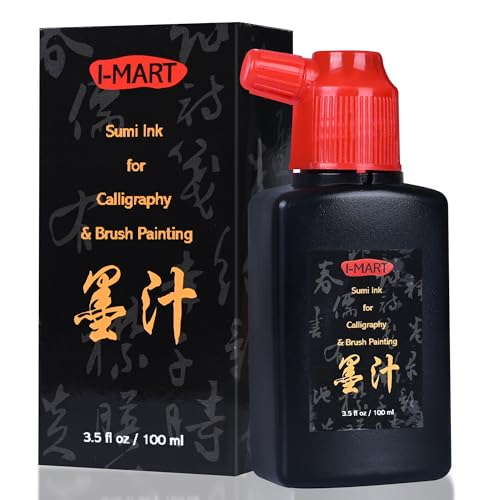
Sumi Ink for Traditional Asian Brush Art: This 3.5 fl oz (100 mL) bottle of black liquid ink is ready to use for Chinese calligraphy, Japanese brush painting, and ink wash artwork on xuan paper or rice paper.

An abstract piece of art that combines traditional aesthetics with the natural beauty of tree rings: Imagine the rings of a venerable old tree interpreted through the lens of calligraphy, each line and curve flowing with the precision and grace of a brushstroke. The colour palette is minimal, dominated by shades of black, grey and white, evoking the simplicity and depth of Sumi-e ink paintings.

Versatile Ink: SEAMEW presents a 100ML bottle of premium ink, expertly crafted to enhance both Chinese calligraphy strokes and the scenic brushwork of Japanese landscape painting.
3. Nature-Inspired Prints
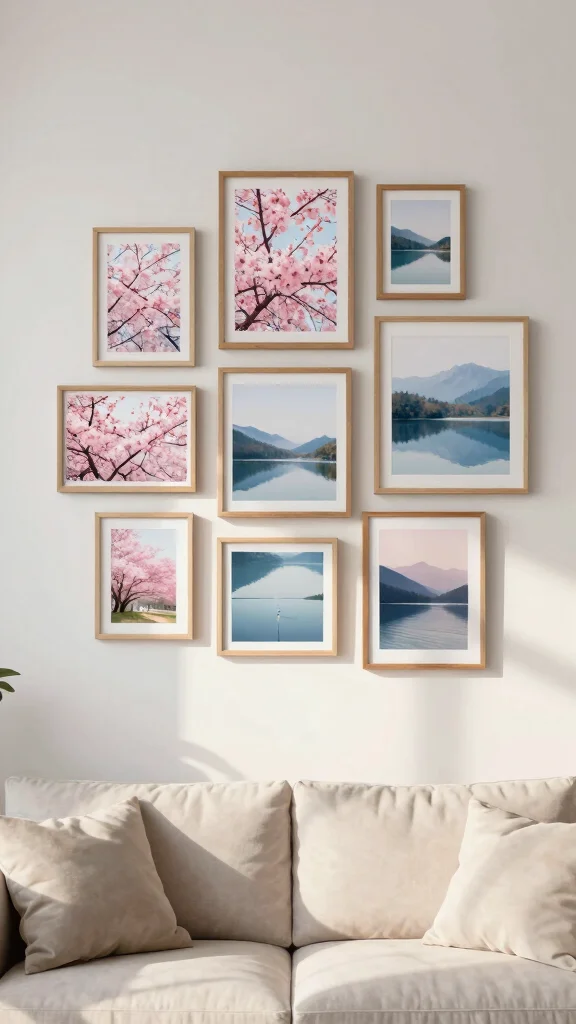
Nature is a central theme in Japanese art, and wall prints inspired by the outdoors can refresh your home. Artwork depicting cherry blossoms, majestic mountains, or tranquil lake reflections evoke feelings of calm and connection to nature. Featuring a minimalist color palette with soft pastels, these prints effortlessly blend into diverse décor styles.
To create a harmonious wall display, group various nature-inspired prints together, either framed uniformly or in an eclectic mix of sizes. This arrangement works beautifully in a living room, bedroom, or hallway.
– Use natural wood or soft metal frames for a seamless appearance.
– Leave some empty space around the prints for an open feel.
– Select prints that complement your room’s color scheme without overwhelming the space.
Recommended Products

Size : Total size : 56.8x49Inches (145x125CM) Each 14.2x49Inches (36X125CM)

Japanese Fish Wave Decors: you will receive 4 Koi fish paintings, each with a size of 30 x 80 cm; These paintings can be hung together or separately, creating a perfect display effect of landscape paintings; Due to variations in display, the actual color of the product may differ slightly from the image shown

🐹:Poster Size:8" x 10" (20×25 Cm)Unframed, In Your Favorite Frame, And Our Paintings Fit Different Types Of Frames. Putting Our Art Prints Into Frames Is Easy. It Only Takes A Few Minutes To Perfectly Decorate Your Home.
4. Abstract Art with a Japanese Twist
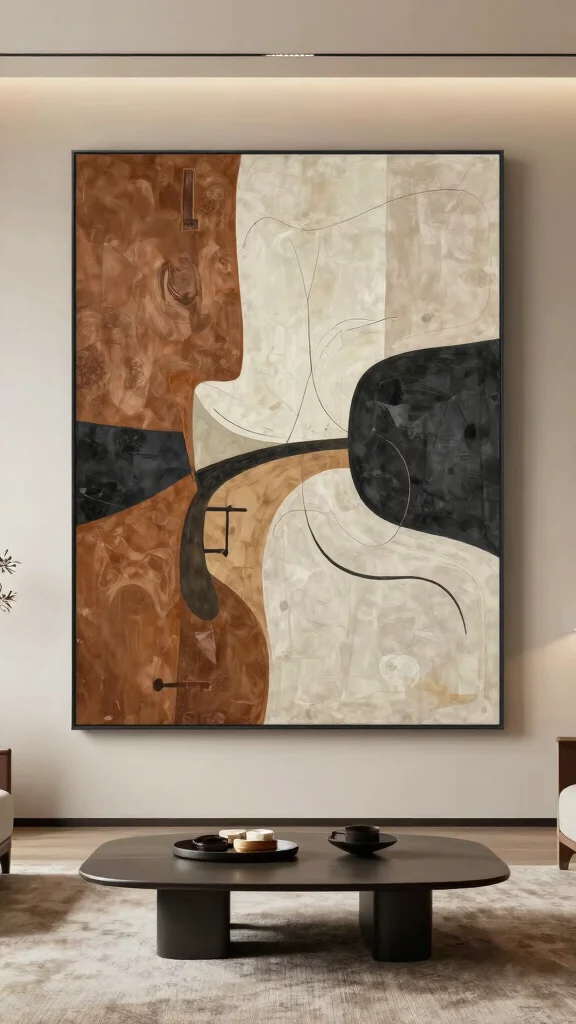
Contemporary abstract art can harmonize beautifully with traditional Japanese aesthetics when thoughtfully designed. Look for pieces that incorporate elements like asymmetry, negative space, and earthy tones. These artworks introduce a modern flair while staying true to the principles of Japanese minimalism.
Display an abstract piece in a central location, such as above a dining table or in a spacious living area, to create a striking statement. The blend of modern art with minimalist décor adds a captivating contrast that enhances your home’s character.
– Opt for oversized pieces to make a bold impact in larger spaces.
– Balance the artwork with simple, understated furniture.
– Choose pieces that evoke emotion without overwhelming your senses.
Recommended Products

UNIQUE STYLE & THEME: This Japanese Flying Wall Art features vintage bird pictures and elegant cranes poster designs, blending Chinese Japanese Art with rustic nature aesthetics. As a classic japandi wall art and japanese wall art, it integrates minimalist home decor and zen decor elements, combining mid century style and contemporary home charm to embody japanese decor, adding a serene Oriental vibe to any space.

Style and Features: Vintage Japanese Canvas Wall Art blends retro owl charm with mid-century minimalist design. The woodblock-inspired bird print features earthy tones and clean lines, creating a timeless piece that adds rustic elegance to any space. Its fusion of Japanese art and scandi decor makes this nature artwork a unique statement piece for modern interiors.

Size Options: Forest wall art–Choose from a range of sizes to suit your specific space. Whether you're decorating a cozy corner or a large wall, this japanese art wall decor is available in multiple sizes to perfectly match your needs and enhance any room or location
5. Fabric Wall Hangings
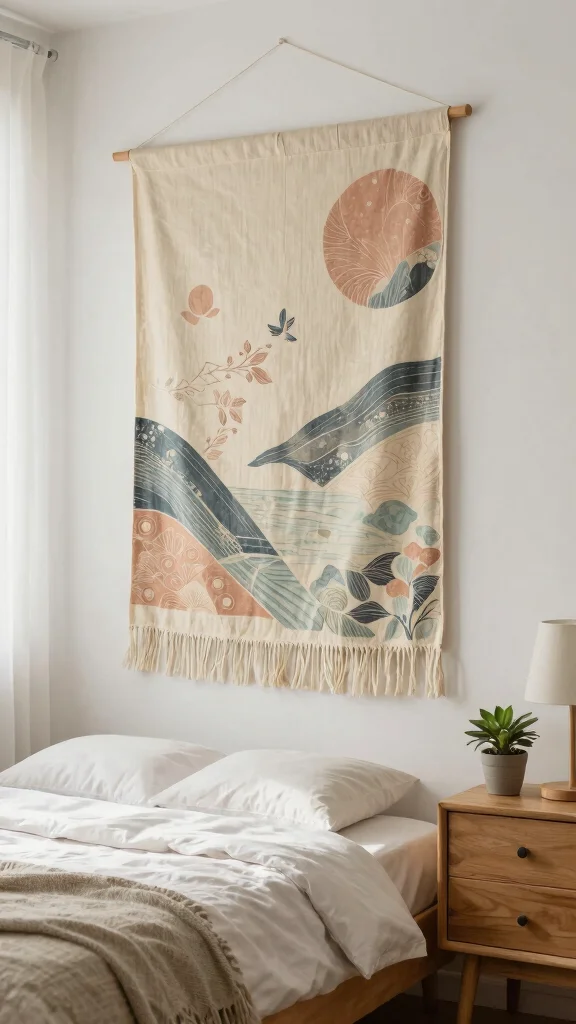
Textiles can infuse warmth and texture into your walls, and Japanese fabric wall hangings often feature intricate patterns inspired by tradition. From large cultural tapestries to smaller embroidered panels, these hangings can serve as focal points or complement other décor.
When using fabric wall hangings, select pieces made from natural materials to align with a minimalist aesthetic. Hanging a fabric piece above a bed or sofa softens the space while introducing a touch of culture.
– Mix various textures by pairing fabric hangings with wooden or woven elements.
– Hang them at different heights for visual interest.
– Ensure the colors in the fabric blend with your existing decor.
Fun fact: fabric wall hangings can cut echo in a small office by up to 40%, turning noise into a whisper of focus. From macramé to sustainable tapestries, these textures soften walls and boost your wall art office vibe with natural color. Place above your desk to invite calm creativity.
Recommended Products
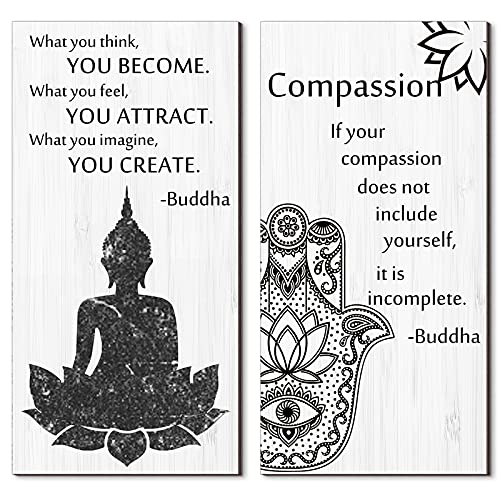
Package information: there are 2 pieces of inspirational quotes wall decors in this package, printed with delicate patterns and inspirational quotes, which are nice additions for your home decors, and can make your home get rid of the usual monotony

Authentic Japanese Zen Wall Art – Inspired by traditional Japanese landscape painting, this wall art set of 3 features tranquil cliffs and calm ocean scenery, expressing a peaceful Zen aesthetic for modern interiors.
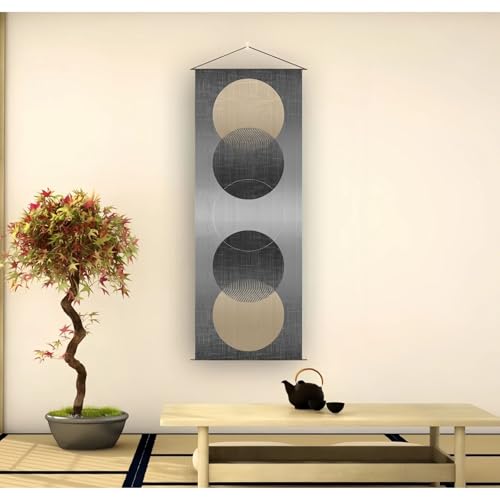
Design: This Japanese Scroll Wall Art is HD Print on the japanese Amunzen fabric,Fade- and Humidity-Resistant.This hanging scroll will brighten up your space and create a modern Japanese interior, and add a little fun into your daily life. You will feel good luck and auspicious and stylish images.
6. Zen Sand Gardens
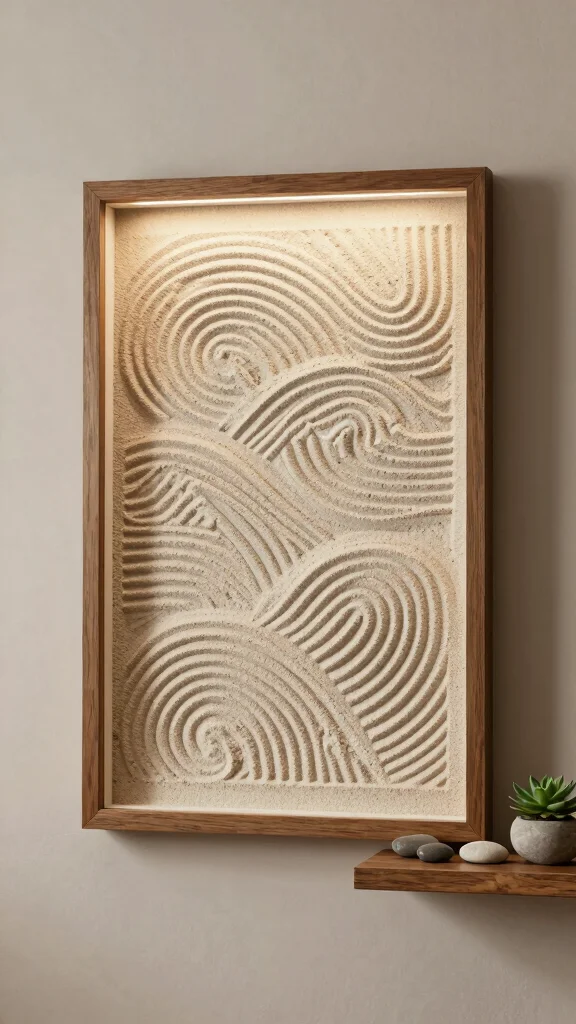
Incorporating a zen sand garden as wall art adds an interactive and meditative quality to your space. These minimalist arrangements typically feature sand, stones, and rakes, fostering calm and balance. A framed design showcasing sand garden patterns can be a creative wall art alternative.
Consider creating a small zen garden display in a shallow frame, perhaps with a glass cover to protect the sand. Position this unique piece in a reading nook or entryway to invite serenity and contemplation, embodying the Japanese zen philosophy of simplicity and nature.
– Use neutral colors for the frame to keep the focus on the sand garden.
– Pair with soft lighting to enhance the calming atmosphere.
– Regularly maintain the garden for a pristine look.
Fun fact: A tiny zen sand garden framed as wall art japanese style can be refreshed in under 5 minutes. This quick ritual invites daily calm and a mindful space in any entryway.
Recommended Products

【Japanese tapestry wall art】 Transform any space with this serene tapestry featuring and traditional Japanese luck symbols. The minimalist design brings Feng Shui harmony to modern homes, perfect for creating calming corners in living room, study, bedroom, dining room, or above your work-from-home desk.

Design: Hokusai's 'Red Fuji', along with the iconic 'Great Wave off Kanagawa', stands as one of Japan's most renowned artworks.This Japanese Scroll Wall Art is HD Print on the japanese Amunzen fabric,Fade- and Humidity-Resistant.This hanging scroll will brighten up your space and create a modern Japanese interior, and add a little fun into your daily life. You will feel good luck and auspicious and stylish images.

Japanese Zen Window Design:A beautifully composed view through a shoji style wooden window overlooking a blooming garden with tea set and moss stones. Adds a touch of calm, refinement, and spring vitality to your home.
7. Nature Photography
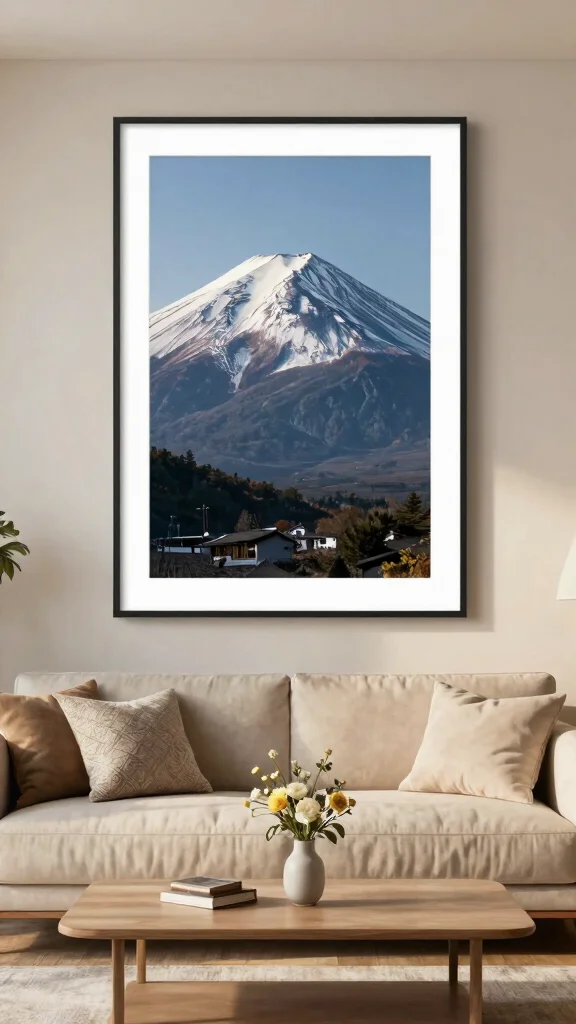
Capture the essence of Japanese landscapes through stunning nature photography. Images of serene locations like Mount Fuji, peaceful temples, or tranquil gardens can enhance your home’s decor while reflecting Japan’s beauty. Look for prints that emphasize natural elements, using soft focus or contrasting colors for striking visuals.
Large, framed photographs can serve as focal points in living rooms or dining areas, while smaller pieces can be grouped in a gallery style. Choose images that resonate with you and convey tranquility and connection to nature.
– Select photographs with a consistent color palette for a cohesive look.
– Experiment with different frame styles to enhance visual interest.
– Consider showcasing seasonal photographs to celebrate the changing times of the year.
Fun fact: nature photography prints with soft focus and muted tones boost a minimalist space’s calm by about 25%. Choose wall art japanese nature scenes with Mount Fuji or serene temples as focal points, then keep frames simple for a peaceful, gallery-style vibe.
You might also like
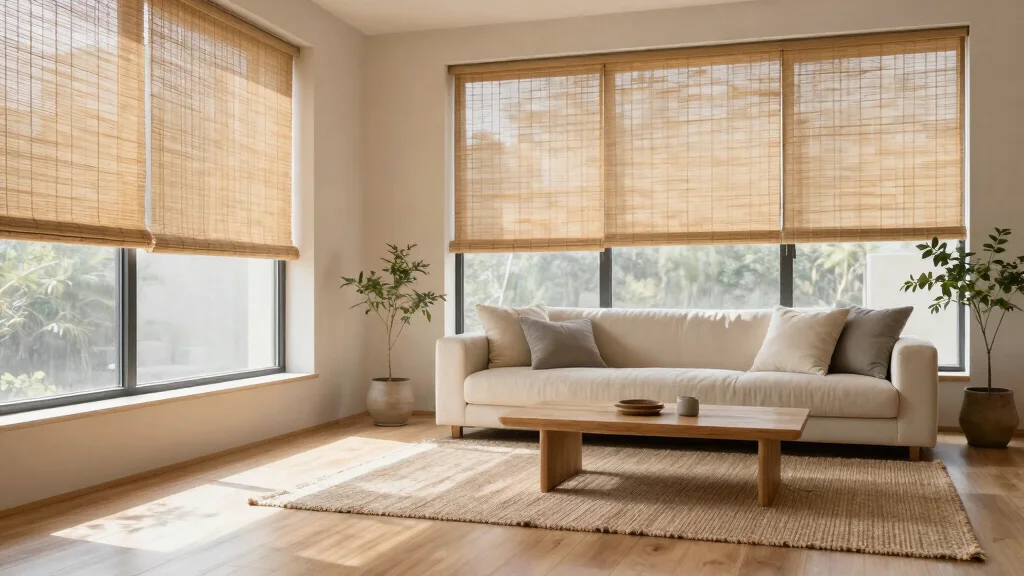
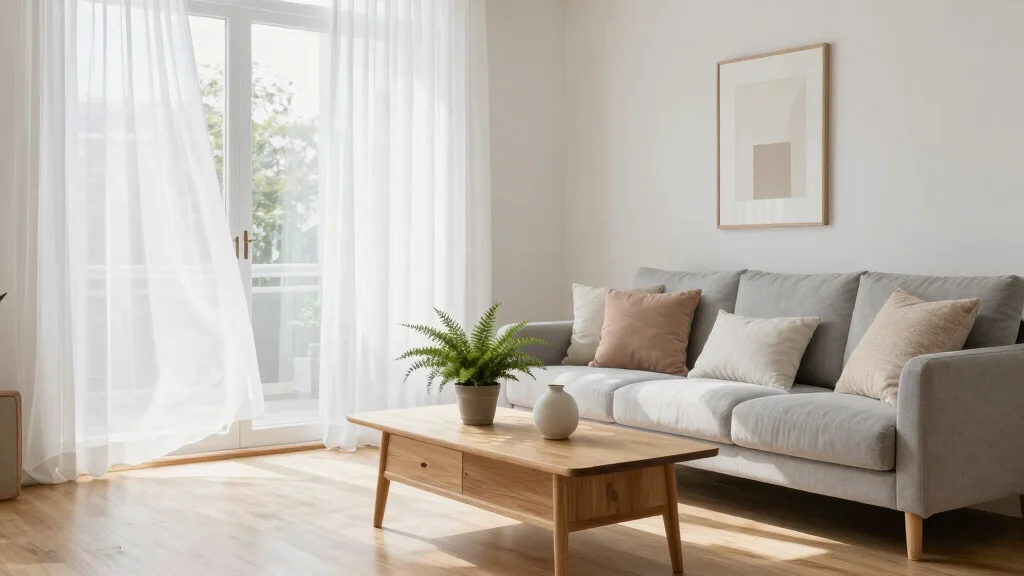
8. Murals Inspired by Japanese Art
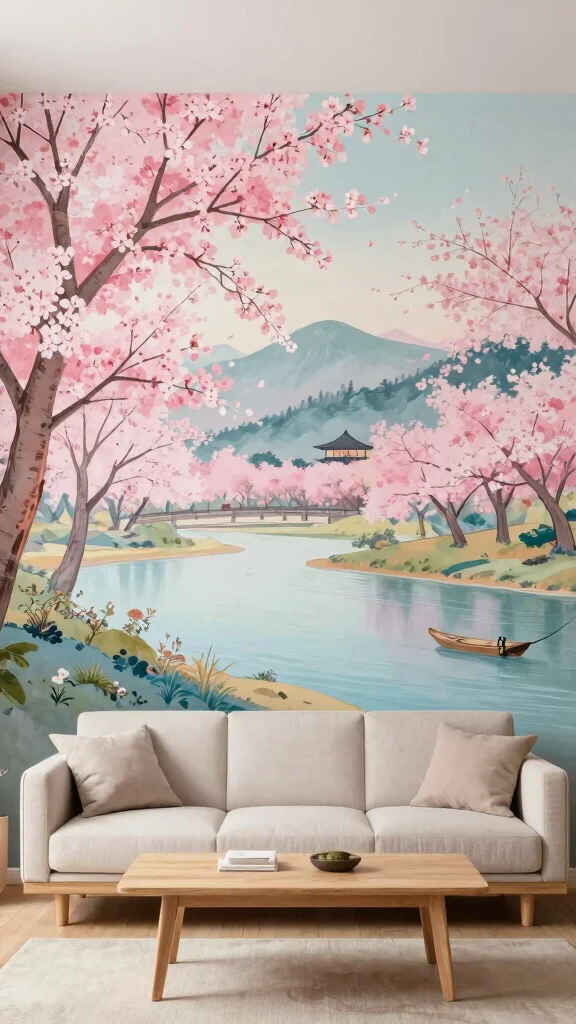
If you’re feeling adventurous, consider a mural inspired by Japanese art to turn a wall into a stunning masterpiece. Whether depicting a classic nature scene or abstract designs, a mural can serve as a captivating backdrop that breathes life into your space. This artistic endeavor allows you to express your personality and love for Japanese culture.
Select a mural that reflects your ideals, whether it’s a large wave, blooming cherry blossoms, or a stylized dragon.
– Hire a professional muralist to ensure quality and precision.
– Complement the mural with minimalist furniture to keep the focus on the artwork.
– Use colors from the mural to guide your decor choices for harmony.
Recommended Products
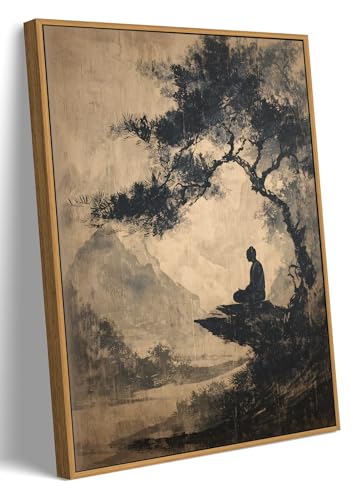
ZEN MEDITATION WALL ART — A solitary monk meditates beneath an ancient pine above misty mountains, creating a calm and reflective focal point for your space
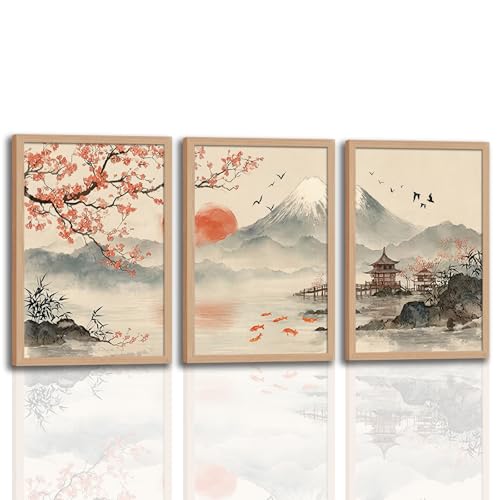
Elegant Japanese Style Wall Art This Japanese wall art set of 3 features cherry blossoms, mountains, rising sun and water scenery, inspired by traditional Japan landscape painting to create a calm and artistic atmosphere.

Japanese Botanical Wall Decor: This Japan zen wall art features elegant lotus flowers and graceful koi fish, blending traditional Japanese aesthetics with modern minimal design. Inspired by Zen philosophy and natural beauty, the artwork combines botanical elements, aquatic imagery, and clean artistic composition to create a peaceful statement piece
9. Ikebana Wall Art
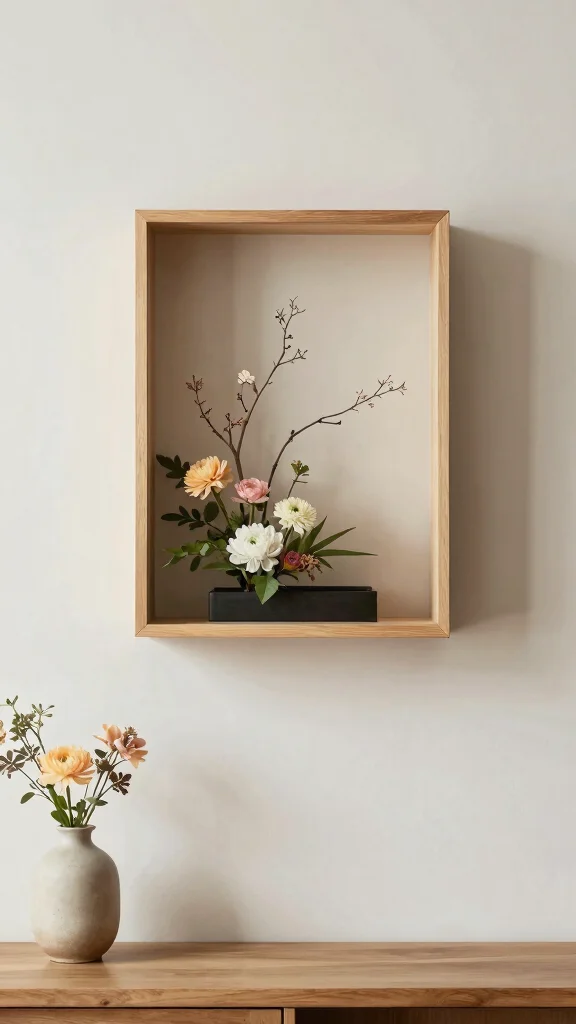
Ikebana, the Japanese art of flower arrangement, offers a unique twist to wall decor. Instead of traditional paintings, create a 3D display of ikebana arrangements using a shadow box or wall-mounted vase. This artful showcase invites nature into your home and encourages seasonal changes.
Place an ikebana display in a well-lit area to allow the colors and textures of the flowers to shine. This approach fosters a deep connection to nature, enriching your living space.
– Choose flowers that complement each other and reflect the season.
– Maintain balance and harmony in your arrangement, typical of ikebana principles.
– Refresh the arrangement with seasonal changes to keep it lively.
10. Paper Art Creations
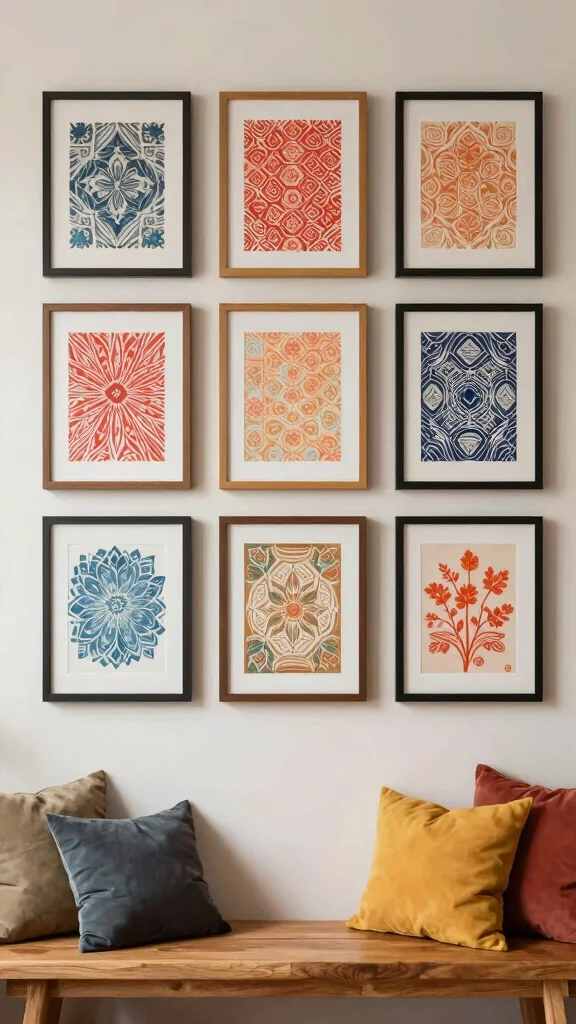
Japanese paper art, or washi, offers a captivating way to incorporate color and texture into your wall décor. Washi art includes intricately cut designs and layered compositions featuring traditional patterns, embracing both simplicity and complexity.
Integrate washi art by framing individual pieces or creating a collage for a striking wall display. This method allows you to express creativity while adhering to Japanese minimalist principles.
– Choose a harmonious blend of colors and patterns.
– Mix different sizes and shapes for a dynamic layout.
– Hang the art at eye level for maximum impact.
11. Bamboo Wall Art
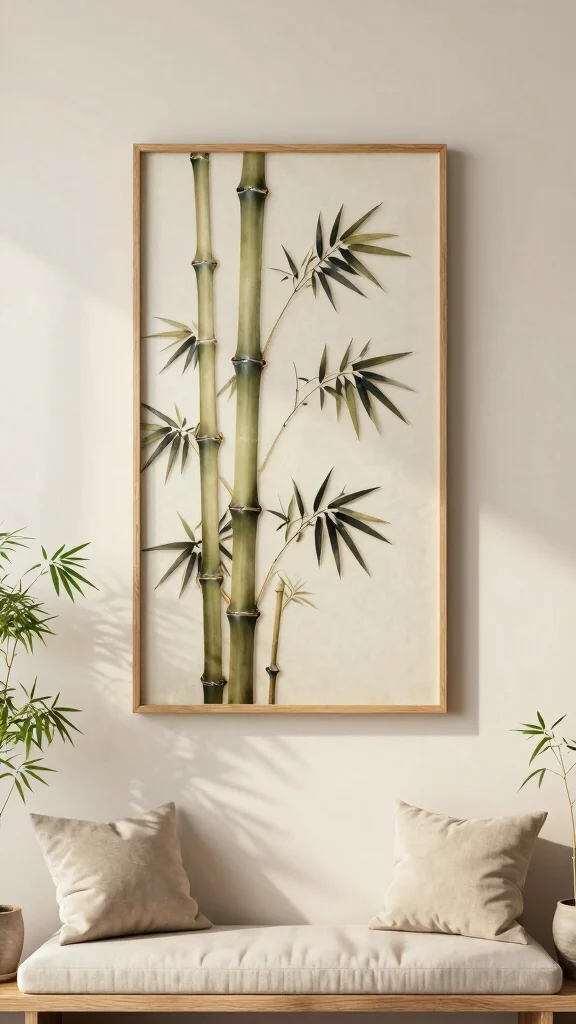
Bamboo is a vital element of Japanese culture, symbolizing strength and resilience. Wall art featuring bamboo can be visually striking, adding a natural touch to your decor. Look for pieces that depict bamboo in various forms, from traditional paintings to sculptural installations.
Bamboo wall art works beautifully in any room, from dining areas to bedrooms, bringing the outdoors inside. Its organic nature complements minimalist decor and creates a serene atmosphere.
– Use bamboo frames or natural wood for a cohesive look.
– Incorporate other natural elements, like plants, to enhance the theme.
– Choose art that resonates with your style while maintaining simplicity.
12. Zen-Inspired Quotes
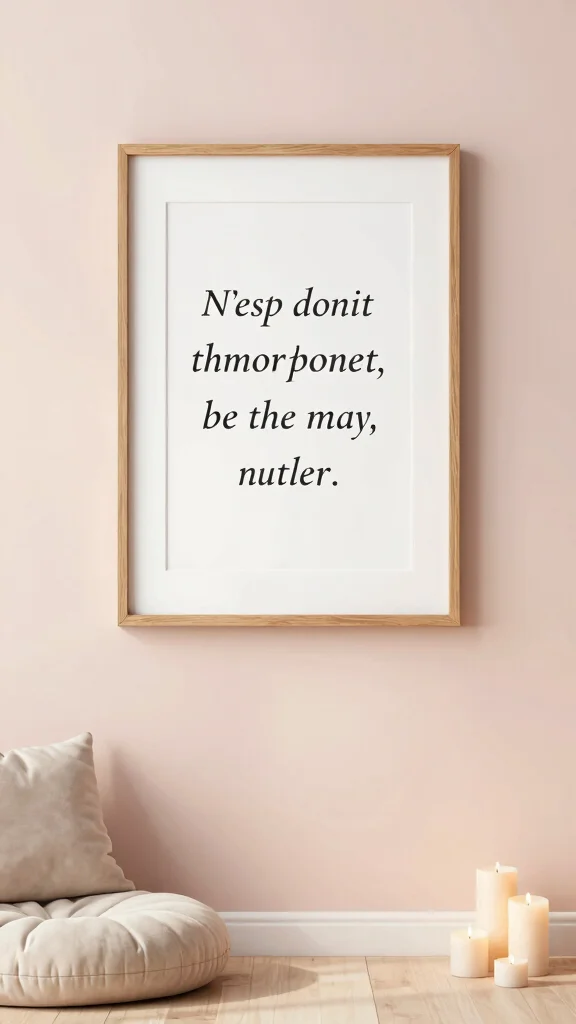
Incorporate zen-inspired quotes into your wall art to promote mindfulness and tranquility in your home. Choose elegant typography that reflects the calm essence of these phrases, emphasizing simplicity in both message and design. Framed quotes can serve as daily reminders to embrace peace amid life’s chaos.
Hanging these quotes in meditation spaces, home offices, or bedrooms can elevate the overall atmosphere of calm. Pair the text with subtle graphics or minimalist illustrations to add depth without overwhelming simplicity.
– Select quotes that resonate with you personally.
– Opt for neutral or soft colors that blend with your decor.
– Position the art in spaces where you can regularly reflect on the messages.
You Might Also Like
13. Landscape Murals
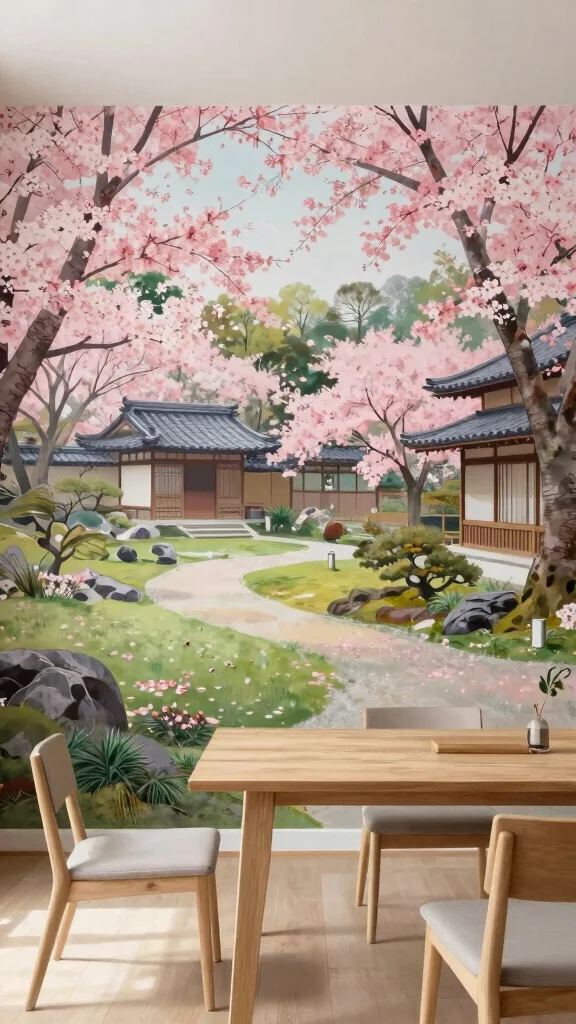
Landscape murals inspired by Japanese scenery can transform any room, offering a serene window into breathtaking vistas directly from your walls. Whether depicting tranquil gardens, cherry blossoms in bloom, or majestic mountains, these murals invite nature indoors while making a bold design statement.
Ideal for larger spaces, a landscape mural can serve as a captivating backdrop in your living room, dining area, or home office. It’s a creative way to celebrate Japan’s beauty and immerse yourself in the natural world.
– Consider your room’s size when selecting a mural design.
– Choose colors that harmonize with your existing décor.
– Hire a skilled artist for a personalized and high-quality mural experience.
14. Pottery Wall Displays
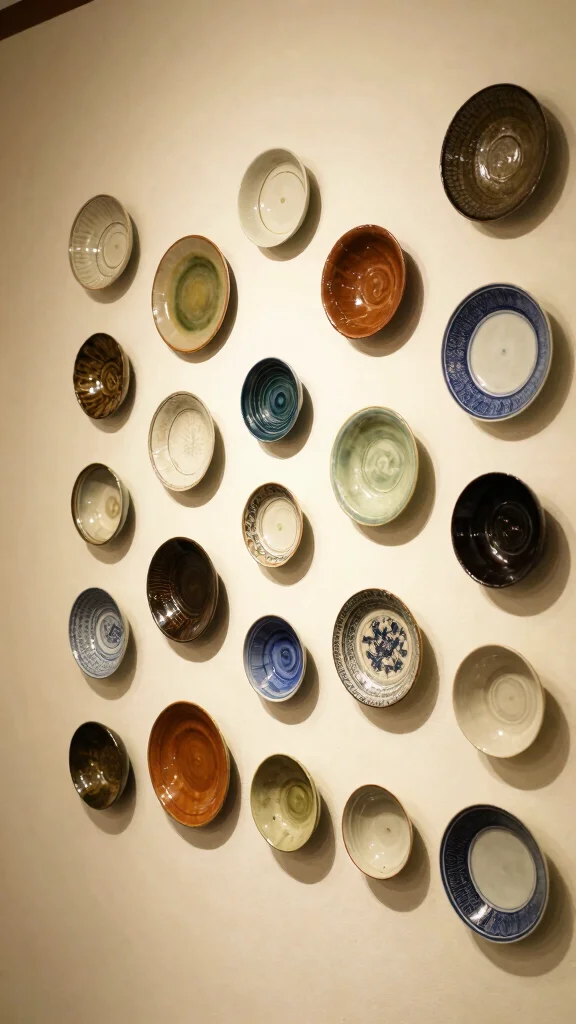
Showcasing pottery as wall art can introduce a unique three-dimensional element to your décor. Known for their simple yet elegant designs, Japanese pottery pieces can create a beautiful gallery effect when hung on the wall. Consider displaying small pottery items or plate collections for added texture and interest.
This approach brings an organic, handcrafted feel to your space, allowing you to mix various pottery styles for a dynamic display that reflects your personality.
– Choose a color palette that complements your room’s other elements.
– Use secure wall mounts to ensure the pottery is safely displayed.
– Group different sizes and shapes for enhanced visual appeal.
15. Seasonal Decor
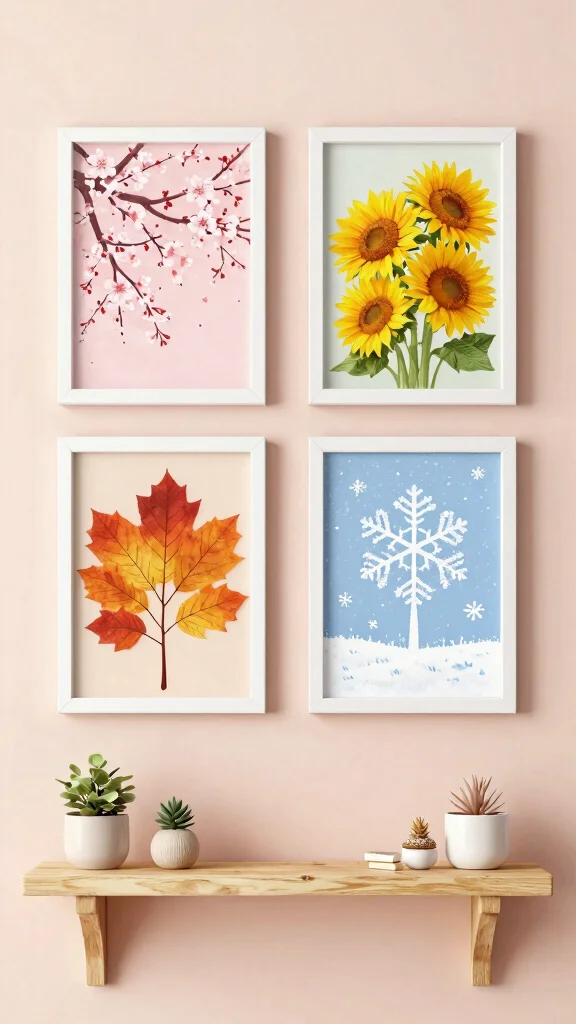
Incorporating seasonal décor is a beautiful way to celebrate changing seasons, creating an engaging atmosphere in your home. Drawing inspiration from Japanese traditions, consider wall art that reflects the current season, like cherry blossoms in spring or warm autumn leaves. This practice keeps your décor fresh and connected to the natural world.
You can create a rotating display, updating wall art with each season, or choose pieces that transition smoothly throughout the year. This approach not only keeps your home lively but also deepens your connection to nature.
– Choose a color palette that transitions well with the seasons.
– Store seasonal art properly to preserve its quality.
– Pair seasonal pieces with fitting decor elements, like natural accents or themed furnishings.
Conclusion
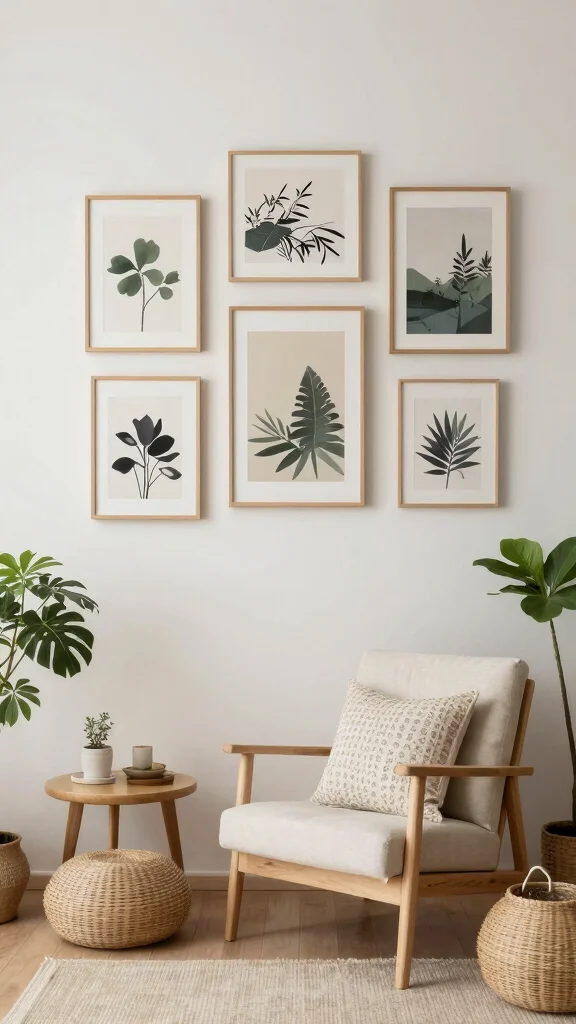
Infusing your home with Japanese wall art inspired by simplicity not only enhances your decor but also promotes a serene and peaceful atmosphere. Each piece embodies the principles of minimalism, encouraging mindfulness and appreciation for beauty in simplicity. As you explore these wall art ideas, consider how they can resonate with you and reflect your personal style. Embrace the art of living with intention and let your walls tell a story of elegance and calm.
Feel free to share which ideas resonate with you, and start curating your own Japanese-inspired sanctuary at home.
Frequently Asked Questions
What are some simple Japanese wall art ideas for a minimalist space?
For a serene, minimalist look, start with one focal piece in black-and-white, like a sumi-e brush stroke or a kanji print. Keep the wall around it uncluttered, use a slim frame or no frame, and let negative space do the talking to reinforce wall art japanese and Japanese minimalist decor.
Choose a piece in monochrome or muted tones, pair with a neutral wall, and use a simple mount or gallery-style layout for clean lines—perfect for Asian-inspired wall design vibes. Hang at eye level (about 57–60 inches from the floor) and leave generous margins around the art to preserve a calm zen home accents feel.
How can I mix traditional Japanese art with modern wall decor?
Blend classic ukiyo-e or sumi-e with minimalist abstracts for a balanced look. Use a unifying frame color and similar matting to tie the pieces together, and pick a quiet color palette so traditional art doesn’t compete with contemporary pieces. Add a natural element like a bamboo frame or a low-profile shelf to create a small focal cluster that reads as Asian-inspired wall design. Keep the arrangement on one wall and avoid crowding; a single large piece next to a pair of smaller prints can work well for Japanese minimalist decor and wall art japanese.
What practical tips help display Japanese wall art without creating clutter?
Start with 1–2 pieces for a small room, or 3 max for a larger wall. Use consistent framing or matting in a shared color family to unify the display. Leave generous negative space around each piece, and place them at eye level to reduce visual fatigue. Lighting matters—soft, diffused light highlights ink and wood textures and supports zen home accents. Finally, measure wall space before buying so your arrangement feels intentional instead of crowded.
Where can I source authentic but affordable Japanese wall art?
Look for high-quality prints from reputable galleries, print-on-demand shops, or Etsy sellers who specialize in Japanese art. Search for reproductions of traditional Japanese art in formats like scrolls or framed prints, as well as modern Japanese minimalist decor pieces. Compare paper quality, print resolution, and framing options, and choose pieces that fit your budget while preserving a calm Asian-inspired wall design feel. Consider starting with a small print in a neutral frame and expanding over time to build a cohesive collection.
How can I style a small room with Japanese wall art to maximize space?
Choose one bold piece as a focal point and keep surrounding surfaces uncluttered. Use vertical layouts to draw the eye upward, or place a long, low installation along a hallway to create the illusion of space. Pair the art with natural materials like light wood, linen, and soft whites for a true zen home accents vibe. Rotate seasonal pieces to refresh the look without extra clutter, and maintain a restrained color palette to support an Asian-inspired wall design in a compact area.
Recommended Products

Enchanting Japanese Landscapes: Every Japanese anime enthusiast cannot resist the art decoration, with black and red mountain and forest landscapes and an ink painting-like design style that is intoxicating

【Size】: 60 x 40 inch (150 x 100 cm), Hang this Japanese Anime tapestry by decor tacks or pushpin directly, very easy.

Related Topics
home decor
minimalist design
Japanese wall art
zen accents
contemporary decor
traditional craftsmanship
Asian-inspired design
easy DIY
modern simplicity
interior styling
calming aesthetics
decorating tips
Leave a Reply